inspire office space wp

Author name: inspiresales14

Furnished Office Spaces
Coworking Space, Furnished Office Space

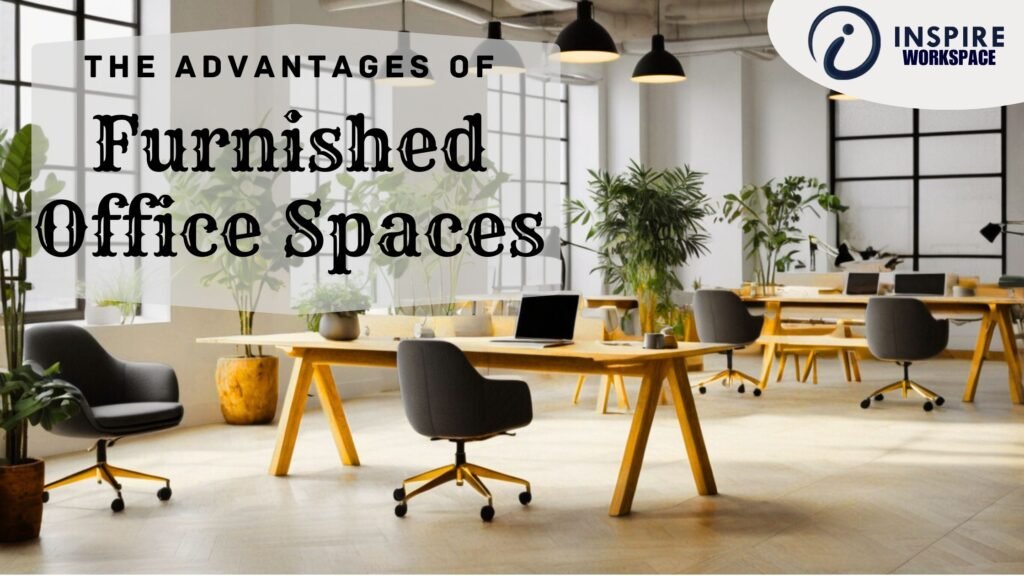
The Advantages of Furnished Office Spaces

Introduction Furnished office spaces have become a game-changer in today’s fast-moving business world, where agility and flexibility are essential for growth. Whether you’re a startup founder, a freelancer, or managing a growing enterprise, the workspace you choose plays a crucial role in boosting productivity, enhancing collaboration, and shaping your brand image. Instead of investing time and resources in setting up a traditional office from scratch, many businesses are now turning to move-in-ready workspaces that come fully equipped and professionally designed. In this blog, we’ll explore the many advantages of furnished office spaces and why they’re emerging as the preferred solution for modern businesses. 1. Move-In Ready Convenience One of the biggest perks of furnished office spaces is their immediate usability. Traditional offices can take weeks—or even months—to set up. You need to source furniture, hire contractors, set up power and internet, and handle logistics. A furnished office comes fully set up, allowing you to start operations from day one. You get desks, chairs, lighting, Wi-Fi, meeting rooms, and more—allowing your team to hit the ground running without delays. 2. Furnished Office Spaces Save Money Outfitting a new office involves substantial expenses. Buying ergonomic furniture, workstations, appliances, and meeting equipment can quickly strain a budget—especially for startups or small businesses. Furnished office spaces eliminate this burden. Most providers include everything you need, significantly reducing your upfront investment. In addition, you avoid the ongoing costs of repairs, replacements, and facility management, since these are typically handled by the space provider. 3. Flexible Lease Options Unlike conventional long-term leases that tie businesses down for years, furnished office spaces provide far more flexibility. Companies can choose from monthly, quarterly, or yearly rental plans based on their operational needs and growth plans. This leasing freedom makes it easier to adapt to changing team sizes, budgets, or market conditions without being burdened by rigid commitments. This is especially useful for startups, project-based teams, or companies testing new markets. You get the freedom to expand, downsize, or relocate without financial penalties or stress. 4. Professional Image & Client Impressions When clients or investors visit your office, the space speaks volumes about your business. A clean, well-designed office with modern furnishings and a professional reception area boosts credibility and trust. Furnished office spaces often come with reception desks, waiting areas, conference rooms, and branded meeting spaces that help create a polished image—without the cost and effort of interior design. 5. Amenities that Enhance Productivity Modern furnished offices offer much more than just tables and chairs. Most come with a full suite of business amenities, including: These features help boost team productivity, reduce distractions, and create a comfortable work environment. 6. Ideal for Remote & Hybrid Work Models With hybrid work becoming the norm, many companies don’t need large permanent offices. Furnished office spaces provide a perfect solution—offering compact, high-quality setups for teams to collaborate in person when needed. This model supports remote work while still giving your team access to professional infrastructure during important meetings, reviews, or brainstorming sessions. 7. Furnished Office Spaces Offer Scalability As your business grows, your space needs evolve. Furnished office providers typically offer scalable options—from single cabins to multi-seat offices. You can easily move to a larger space or add new workstations within the same premises. This adaptability supports business growth without the hassles of moving, refurnishing, or breaking lease terms—saving both time and money. 8. Maintenance-Free Operations Owning or managing a traditional office means dealing with maintenance issues—plumbing, lighting, cleaning, and more. With furnished office spaces, all such operations are handled by the provider. From broken fixtures to IT problems, there’s usually an on-site team to resolve issues quickly, ensuring your team stays focused on work and not on fixing facilities. 9. Prime Locations Made Affordable Furnished office spaces are often located in premium commercial areas—places where renting and furnishing a traditional office could cost a fortune. But shared and furnished workspaces make these prestigious locations accessible at a fraction of the cost. This allows your business to maintain a presence in top-tier locations, which can improve visibility, client confidence, and access to nearby business services.0. Greater Focus on Core Business Activities 10. Greater Focus on Core Business Activities Perhaps the most important benefit of choosing a furnished office is the freedom it gives you to focus entirely on your business. You don’t have to manage vendors, negotiate with furniture suppliers, or hire electricians. Everything is already in place. This level of convenience helps founders and teams concentrate on what really matters—strategy, execution, and customer satisfaction. Conclusion Furnished office spaces are redefining how businesses approach their workspace needs. With minimal setup time, reduced costs, flexible leasing, and a full range of professional amenities, these spaces offer unmatched value—especially for small businesses, startups, and hybrid teams. Whether you’re expanding to a new city, testing a new idea, or just want a more efficient and hassle-free office, furnished office spaces provide a smart, scalable, and professional solution. In a world where adaptability is key, they offer the perfect foundation for growth.

Shared Office to Grow Business
Coworking Space, Shared Office Space

How Shared Offices Help Companies Scale Quickly ?

Introduction Shared office to grow business — it’s not just a fad; it’s a strategic choice for businesses looking to develop quickly and smart. In the current dynamic and competitive landscape, businesses cannot live with the weight of the expense and inflexibility of conventional office arrangements. What they require is a system that’s agile, affordable, and prepared to scale with them. That is where shared office space, or coworking space, enters the equation. If you’re a high-growth startup with accelerated hiring demands or an expanding company piloting new markets, shared office space gives the infrastructure and flexibility necessary for smooth expansion. From scalable lease terms to quick occupancy in prime locations, these spaces are the ideal takeoff point for companies that need to grow quickly without extra overhead. Economically Friendly Infrastructure for Quick Growth One of the greatest hurdles to growing a business is the expense of establishing a conventional office — long-term lease, interior preparation, furniture, and technology installation. These cost money that could otherwise be invested in marketing, new hires, or product development. Choosing a shared office to grow business helps break through traditional cost and setup barriers. These spaces offer move-in-ready infrastructure — from high-speed internet to furnished offices and meeting rooms — all bundled into one monthly fee. This allows companies to expand quickly without heavy capital investments. Flexible Leasing = Flexible Scaling Growth rarely follows a straight line. A company might need 5 new desks this month and double that the next. Traditional leases are rigid and don’t accommodate such changes easily. Shared offices offer month-to-month and scalable lease options, so you can expand or downsize based on current business needs. This agility is crucial for fast-growing startups or companies operating in fluctuating markets. Plug-and-Play Setup Saves Time Time is of the essence when scaling a business. Conventional office arrangements imply delays — right from securing property deals to deploying IT infrastructure. Coworking offices provide a plug-and-play option. You can shift in and begin work instantly. There’s no downtime and your team continues to be productive on-the-go during changes or expansion. Shared Office to Grow Business in Prime Locations An address in a recognized business zone is more authoritative. Still, renting out office space in such prime zones usually has a very steep price. Shared office spaces allow you to have access to these high-quality locations at a fraction of the cost. You obtain the advantage of having a prime business address, nearness to public transportation, and access to local customers — all of which can speed up your growth. In-Built Amenities and Business Support When you’re concentrating on scaling, you don’t need to concern yourself with recruiting housekeeping staff or internet connectivity. The majority of shared offices provide: This end-to-end infrastructure enables your in-house teams to concentrate exclusively on business development. Enhance Hiring and Retention Shared offices offer a vibrant, contemporary space that is attractive to young professionals. These offices usually have breakout areas, wellness rooms, stylish interiors, and community events. This type of workspace assists companies in: Network-Driven Growth Opportunities Shared offices foster a community of like-minded professionals. You’re surrounded by startups, freelancers, small businesses, and even large corporations. This environment naturally supports networking, collaboration, and learning. Through shared spaces, companies often discover: Such networking is difficult to cultivate in isolated, traditional offices but is second nature in coworking environments. Easy Expansion to New Cities or Regions One of the greatest advantages of using a shared office to grow business is seamless expansion. Rather than getting entangled with brokers, property management, and setup fees, you can just rent space in another city and start operations. It’s perfect for: Most shared office operators operate several centers within cities or nations, making geographical expansion seamless and low-risk. Tech-Enabled, Secure Environments As companies expand, so do their security and tech requirements. Coworking facilities today boast: This means that businesses do not have to settle on digital security or data protection, even as they expand operations. Sustainability Matters They worry about how ethically and sustainably a business develops.  Shared office spaces help ensure sustainability by: While a business develops in such an atmosphere, it can happily publicize its green development patterns, and this boosts its long-term value and reputation. Maximum Focus, Minimum Distraction While scaling, attention is critical. Traditional offices may be accompanied by distractions — dealing with vendors, handling landlords, or repairing busted air conditioning. In a co-working office environment: This allows your leadership and team to focus 100% on business objectives, not on dealing with office affairs. Conclusion Operating out of a shared office to grow business isn’t only efficient — it’s smart. It enables businesses to act quickly, remain lean, and be agile in an aggressive marketplace. With instant-use infrastructure, businesslike atmosphere, and minimal overhead, companies can grow without the weight of traditional real estate assets. From solo entrepreneurs to scaling businesses, the coworking model enables teams to work smarter, connect more effectively, and grow faster. The outcome? Your business grows not only in terms of size, but also in terms of efficiency, reach, and opportunity. With adaptability as the new norm, shared spaces provide room — and mindset — to scale successfully.

meeting room
Meeting Room

How to Choose the Perfect Meeting Room for Your Business Needs

Meeting room selection is crucial in any business transaction. It’s not just about a table and chairs; it’s about finding a space that supports your objectives, reflects professionalism, and ensures everyone feels comfortable. Meeting rooms are essential for enhancing productivity and achieving desired outcomes—be it a presentation, team meeting, or workshop.  Meeting Room Planning: Define the Objective Begin by defining the reason for your appointment. Is it an internal brainstorming session, a formal board meeting, or just hanging out with clients? What is the appropriate approach? The goal will impact all aspects, from the layout and functionality to the technical specifications. Examples:  With your goals in mind, you can filter out spaces that don’t fit within your format or vibe.  Location, Location, Location The location of the meeting room is crucial for its accessibility and ease. Consider your attendees. Are the individuals working in my city, overseas or on a freelance basis?  What to look for:  A central location and easy accessibility guarantee a timely and positive experience for all. Room Capacity and Layout.  Don’t rely on one size for a room; instead, choose one that is suitable for the crowd and the meeting’s purpose.  Consider:  Selecting a suitable room for your group can enhance participation and minimize exhaustion. Facilities and Equipment.  Your meeting is often a result of technology.? If you have a poor Wi-Fi or projector, it’s impossible to make your presentation faster.  Must-have amenities:  The availability of appropriate video conferencing support, such as cameras, lighting, and microphones for hybrid or virtual meetings, is crucial.  Ambience and Design The appearance and feel of a meeting room can determine the tone. A dull, worn-out area could be a liability for your brand, but if you have arranged the decor to perfection, your audience will feel revitalized.  Look for:  A favourable environment fosters productivity, creativity, and positive engagement.  Meeting Room Support Services There are places that provide more than a room. These additional services can make your life easier and save you time.  Examples:  When you are running high-stakes meetings, these support features can be pivotal.  Budget Considerations The cost of a meeting room is not the sole reason for choosing this location, as it is an investment in your business. In spite of this, ensure that the cost matches your expectations and requirements.  Tips:  Take into account quotes from several providers and negotiate fees, especially for frequent bookings…. Booking Flexibility and Cancellation Policy The business needs can be changed at the last minute. Check if the venue permits you to cancel or reschedule.  Ask:  Additionally, ensure they permit customization options, such as adjusting furniture or hiring catering services.  Reviews and Reputation.  Check reviews and testimonials before going to a venue. Real user feedback can provide insight into service quality, reliability and red flags.  Sources:  Before booking, make a visit to the space before making reserving for crucial meetings.  Security and Privacy For private meetings, venues with strict privacy policies and safe spaces should be considered.  Ensure:  During legal conferences, strategic planning meetings or when it comes to sensitive client interactions this is particularly important.  Conclusion Choosing the right meeting room for your business is not just about space; it’s about creating an atmosphere that allows you to make decisions, collaborate with others and grow. The time and energy invested in choosing the perfect venue can yield significant benefits, regardless of whether you are a startup founder, freelancer, corporate executive, or event planner. Focus on functionality, comfort, professionalism, and flexibility. Setting up the perfect environment not only facilitates a meeting, but also produces something that is memorable, productive, and valuable.

Flexible Work Arrangements for Women
Coworking Space, Women at Work

 Flexible Work Arrangements for Supporting Women

Introduction Flexible Work Arrangements for Women are no longer an perk in today’s fast-changing work culture—they are now a must. Among the cohorts that stand to gain the most from these arrangements are women, especially those who are juggling professional aspirations with family and personal responsibilities. As the workplace transforms towards more inclusive and agile work environments, flexibility has become a primary force behind gender equality. This post examines how flexible work arrangements for Women to take control and how spaces such as Inspire Office Space are essential in enabling this change. Why Flexibility Is Important to Women For a lot of women, the conventional 9-to-5 office setting is not congruent with the demands of their everyday lives. Whether it’s caring for children, taking care of elderly relatives, or juggling domestic work, the need for a more flexible work schedule is essential. Below are some of the reasons why flexibility is important: Work-Life Balance: Flexible schedules enable women to balance work and home without compromising productivity. Decreased Burnout: With schedule control, women can prevent burnout from constantly being pressed to meet multiple demands. Access to Opportunities: Flexibility can provide women with an opportunity they would otherwise have had to put their careers on hold. Flexible Work Arrangement Types Flexibility is not one-size-fits-all. Various women require various forms of support. Some of the most popular flexible work arrangements are: Remote Work: Home working or any place outside a central office. Hybrid Work Models: Combinations of office and remote working days. Flexible Hours (Flextime): Selecting start and finish times within a window. Job Sharing: Two individuals sharing the role of one full-time position. Part-Time Work: Shortened work days with sustained career drive. Compressed Workweeks: Prolonged hours over fewer days. Each of these models has its own advantages and can be adapted to meet personal requirements. The Role of Coworking Spaces in Fostering Flexibility Coworking spaces such as Inspire Office Space have emerged as centers of innovation, networking, and flexibility. This is how they empower women in flexible workplaces: Empowering Women Entrepreneurs and Freelancers The coworking space is most empowering for women entrepreneurs and freelancers who otherwise do not have access to traditional networks. The spaces: Case Study: An Inspire Office Space Working Mother’s Day Consider Radhika, a graphic designer with two children. Working remotely from Inspire Office Space enables her to: This schedule provides her with the optimum of both worlds—career advancement and time for herself. Challenges That Still Need To Be Addressed Although flexible working arrangements are a game changer, challenges still persist: Coworking spaces can bridge these gaps by advocating for policy changes, investing in tech infrastructure, and family-friendly practices. Conclusion Flexible work arrangements are not a trend—they are a fundamental transition toward an inclusive, equitable future. For women, particularly those juggling complicated roles in their personal and professional lives, flexibility can be the difference between thriving and falling out of the workforce. Inspire Office Space understands this necessity and continues to offer not only physical space, but also a nurturing environment where women can develop, lead, and prosper on their own terms. As we gaze into the future of work, flexible work arrangements for women is not only smart business—it’s a step towards a more balanced and empowered world.

corporate coworking space
Coworking Space

Why Big Corporations are Moving into Coworking Spaces

Introduction Corporate coworking space is no longer a niche trend—it’s a strategic shift. Once the domain of freelancers and startups, coworking spaces have evolved to meet the demands of large corporations, including tech giants, consulting firms, and Fortune 500 companies. This move goes beyond reducing real estate costs; it signals a broader transformation in how companies prioritize flexibility, employee experience, operational efficiency, and sustainability in the modern workplace. So why exactly are big corporations turning to coworking spaces? Let’s explore the key drivers and benefits behind this growing trend. 1. Flexibility in a Changing Work Environment The pace of change in business today is rapid—driven by global events, technological advancements, and shifting work preferences. Traditional long-term office leases don’t align with the need for agile and scalable operations. Coworking spaces offer companies the ability to expand or shrink their space usage based on current needs. This flexibility is especially helpful for companies operating in volatile markets or testing new regions. Example: IBM and Microsoft have used coworking spaces to temporarily house teams in new markets, allowing them to maintain agility without major investment. 2. Cost-Effectiveness and Operational Simplicity Owning or leasing large office spaces comes with major upfront and recurring costs: furnishings, maintenance, IT infrastructure, utilities, and security. Coworking providers handle all this, offering ready-to-use spaces for a monthly fee. This not only reduces capital expenditure but turns it into predictable operational costs—making budgeting easier and more efficient. Bonus: Coworking environments are typically fully equipped, from ergonomic furniture to high-speed internet and modern meeting rooms. 3. Attracting and Retaining Top Talent Today’s workforce values more than a paycheck. Employees expect a workspace that supports flexibility, creativity, collaboration, and wellness. Coworking spaces are designed with these preferences in mind. By working from community-oriented and aesthetically pleasing environments, employees feel more engaged, which improves retention and satisfaction. 📊 Fact: A CBRE study found that companies using coworking spaces experience higher employee happiness and productivity. 4. Fostering Innovation and Collaboration Coworking hubs are home to startups, freelancers, and creative minds from multiple industries. This creates a fertile environment for knowledge sharing and cross-sector innovation. For large corporations, this can be a great way to break down internal silos and spark fresh thinking among their teams. Example: Google uses coworking spaces in tech-forward cities like Berlin and San Francisco to expose teams to startup energy and emerging trends. 5. Supporting Remote and Distributed Teams While remote work has become mainstream post-pandemic, not all home environments are conducive to productivity. Coworking spaces offer a middle ground—structured, professional setups close to where employees live. This approach enables remote and hybrid employees to maintain a high standard of work without returning to a central HQ. Example: Salesforce gives employees the option to work from coworking spaces, offering flexibility without sacrificing output. 6. Easy Access to Global Markets Many coworking providers like Inspire, WeWork, Regus, and Spaces operate worldwide. This global reach makes it easy for companies to quickly launch teams in new countries or cities without establishing traditional office spaces. These hubs also offer networking events, workshops, and mixers—helping businesses connect with local talent, suppliers, and collaborators. Example: AWS runs startup accelerator programs from coworking spaces in Southeast Asia to engage local innovators and expand its customer base. 7. Meeting ESG and Sustainability Goals Corporate social responsibility is now a major boardroom focus. Many coworking facilities support environmental, social, and governance (ESG) goals through sustainable building practices, shared resources, and efficient space use. By working in these shared environments, corporations can reduce their carbon footprint while offering employees modern, eco-friendly workspaces. 📌 Insight: Shared spaces significantly reduce energy consumption per employee by consolidating infrastructure and maximizing space utilization. 8. Testing New Work Models Many enterprises use coworking locations as experimental labs to test new workplace layouts, hybrid work arrangements, and office tech before rolling them out company-wide. This agile approach helps avoid costly missteps and allows organizations to make evidence-based real estate decisions for their future headquarters or regional hubs. Conclusion Coworking isn’t just a short-term trend for big companies—it’s a fundamental rethinking of how work gets done. As organizations face increasing pressure to be agile, efficient, innovative, and employee-friendly, coworking offers a strategic solution. By choosing shared workspaces, enterprises gain the best of both worlds: flexibility and structure, community and focus, cost savings and modern amenities. As coworking providers evolve to meet the security, branding, and tech needs of corporate clients, this model is becoming a permanent fixture in the enterprise real estate toolkit. Whether you’re a Fortune 500 company or a growing global player, coworking is no longer a question of if—but when. ✅ Interested in Premium Shared Office Solutions? Explore flexible, fully-furnished coworking spaces at Inspire Office Spaces, Chennai – perfect for startups, freelancers, and large enterprises.Visit: www.inspireofficespaces.com 📞 Call: +91 93445 25523

work from home problems
Blog, Coworking Space

Why Work from Home Isn’t as Great as It Seems: Key Reasons to Consider

In the post-pandemic era, telecommuting is the new norm for millions. On the surface, working from home appears to be the ultimate arrangement: zero commute time, flexible schedules, and the luxury of your own environment. However, as months go by, another reality begins to reveal itself. Behind the veil of ease are common work from home problems—distractions, loneliness, blurred lines between personal and professional life, and declining motivation. Let’s examine the not-so-obvious downsides of remote work—and why it may be time to think about alternatives such as coworking or traditional offices. 1. Isolation Damages Mental Health People are social creatures. Watercooler discussions, casual conversations with coffee, and face-to-face brainstorming sessions all play more than we know a role in our well-being and productivity. Working remotely typically involves long hours spent alone, leading to: Even introverts experience the consequences of isolation when it becomes a consistent habit. Eventually, this emotional distance can hamper teamwork and lead to disengagement among employees and the company. 2. Fuzzy Work-Life Borders There is a physical and mental boundary between work and personal life at the workplace. But at home, the boundary is easily lost. Your dining room turns into a desk, your bedroom into a meeting area, and worktime begins spilling over into nights and weekends. The consequence? This perpetual overlap can result in burnout—a condition that’s growing in leaps and bounds among remote workers. 3. Distractions Are Inevitable Although offices are not distraction-free, they’re usually more formalized environments. At home, distractions abound: Without a structured work environment, it is easy to get distracted and lack consistent production, particularly in the long run. 4. Less Visibility and Career Advancement When you are out of sight, you tend to be out of mind. Remote workers might face challenges with: In-person time is important when establishing trust, visibility, and influence in a team. Full-time remote work can slow down or even stop career advancement unless managed skillfully. 5. Communication Breakdowns With Zoom, Slack, and Teams, virtual communication is not yet perfect. Tone is lost in the text, feedback is delayed, and meetings can be impersonal. Over time, these little miscommunications accumulate into: Office interactions promote impromptu discussions and instant clarifications—something technology can hardly do. 6. Technology Limitations Not everyone possesses a high-speed internet connection, dual monitor, ergonomic chair, or UPS. Unreliable tech setups at home can result in: And, businesses tend to invest considerable amounts of money in office infrastructure to enhance employee productivity—assets difficult to replicate at home. 7. Lack of Professional Environment Your home might be cozy, but it isn’t necessarily professional. From yapping dogs on calls to cringe-worthy camera shots, most at-home setups fall short of the mark in official business interactions. This can damage client relationships, team morale, and the perception of professionalism overall—particularly in sectors where face value and presence still count. 8. Limited Networking Opportunities Working out of an office or shared workspace places you near professionals in other industries. Being near professionals in other industries provides opportunities for: Remote work, particularly working at home, restricts such natural connections. With time, isolation from industry professionals and trends impacts learning as well as career development. 9. Challenges with Team Building Team culture is established during lunch breaks, jokes shared, brainstorming sessions, and sharing wins. These moments are more difficult to mirror virtually. Team-building in virtual environments can come across as artificial or fake, making it more difficult to: That “team spirit” that fuels performance and innovation does not happen when teams are completely online. 10. Not Everyone Has an Ideal Home Setup Remote work presumes everyone has a quiet, private, and well-furnished home office—which is not the case. Many struggle with: These aspects can impact physical health, concentration, and job satisfaction in the long term. A Balanced Alternative: Coworking Spaces With an increasing number of work-from-home challenges, professionals and companies alike are looking for hybrid solutions. Coworking spaces are proving to be the perfect middle ground. They provide: Flexible arrangements tailored for freelancers, startups, and remote workers No matter if you use them every day or a few days a week, they can bring back order, drive, and connection—without giving up on flexibility. Conclusion: It’s Not All Pajamas and Flex Hours Working from home is sometimes idealized, particularly on social media. But the cute setups hide real challenges that impact mental well-being, productivity, and career development. As organizations rethink their workplace strategies, it’s crucial to acknowledge that one size doesn’t fit all. For many, the solution lies in blended models that combine the flexibility of remote work with the structure of professional spaces. If you’ve been feeling the downsides of working from home, you’re not alone. It might just be time to explore smarter ways of working—ones that support both your well-being and your career.

Office Space
Blog, Coworking Space

How to Choose an Office Space

Office space plays a vital role in shaping your company’s culture, productivity, and brand image. Whether you’re a startup, freelancer, or growing business, finding the right office can impact your operations and long-term success. But with so many options available—from traditional leases to coworking spaces—how do you choose the one that fits your needs? This guide covers everything you need to consider when selecting office space, from size and amenities to location, pricing, and future flexibility. Let’s help you make a smart, informed decision. How Much Office Space Do You Need? One of the first questions to ask is: how much office space do I actually need? The answer depends on several key factors: Choosing too much space increases costs, while too little can hinder productivity. That’s why many modern businesses are turning to flexible workspaces—they allow you to scale up or down as needed. How to Find Office Space for Rent Understanding how to find office space for rent goes beyond just browsing property listings. Focus on the following essentials: Some coworking or business centers offer these as bundled packages, making it easier to manage operations without hiring support staff. What’s Included in Office Space Rent? Before signing any agreement, understand exactly what your rent includes. Common components are: Ask for an all-inclusive monthly plan to avoid surprise costs. This is especially useful for startups or small businesses that need to manage cash flow. Premium Locations and Smart Leasing High-demand commercial areas like central business districts naturally come with a higher price tag. But today, smart leasing options let you enjoy these prime addresses without the premium costs: So, if you’ve always wanted an address in a well-known business hub, it’s now within reach—thanks to coworking spaces and managed offices. Lease Flexibility and Business Growth Your needs today may not be your needs in six months. That’s why choosing an office space with flexible leasing terms is key. What to look for: This kind of adaptability is perfect for startups, freelancers, remote teams, and growing businesses who need agility in both space and spending. Office Space for Hybrid or Remote Teams If your team is hybrid or remote, your space needs are different. You don’t need permanent desks for everyone, just a practical hub for occasional in-office days, meetings, or collaborative work. Consider: These solutions let you cut costs while still giving your team a place to meet, collaborate, and stay aligned with your company culture. Why Inspire Co-Works is a Smarter Choice If you’re seeking office space that balances cost, flexibility, and professionalism, Inspire Co-Works checks all the boxes. Our renovated workspace offers: Whether you’re a freelancer needing a hot desk or a startup expanding into a private suite, Inspire Co-Works makes it easy to grow without long-term risks. Visit us at www.inspireofficespaces.com or call +91 90434 96458 to schedule a visit. Conclusion Office space selection doesn’t need to be overwhelming. By asking the right questions—how much space do I need, what services are included, and how flexible is the lease—you set yourself up for a workspace that truly supports your business goals. Remember, the right office is more than just a location—it’s a tool for productivity, collaboration, and growth. Choose wisely, and your workspace will adapt and evolve with your company.

coworking spaces for entrepreneurs
Blog, Coworking Space

How A Coworking Space Is Beneficial For Upcoming Entrepreneurs

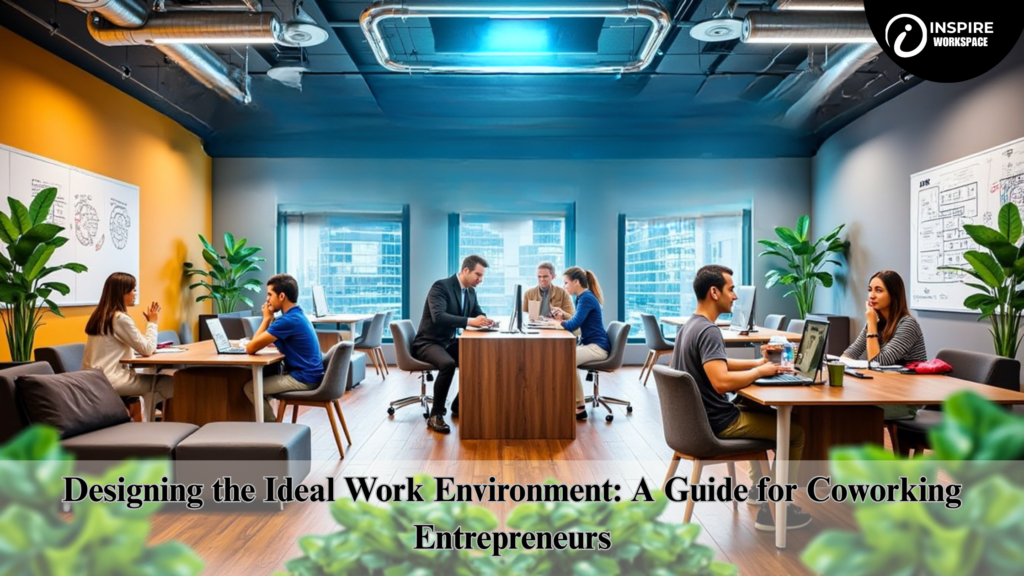
Introduction The entrepreneurial life is exciting yet troublesome. For future entrepreneurs, the journey is usually plagued with uncertainties, limited budgets, and the ever-present need to network and expand. Of the several choices that a new entrepreneur must make, one of the earliest and most influential decisions is the selection of a proper workspace. While home offices and old-school offices both have their advantages, coworking spaces are a formidable new option for today’s startups and solo entrepreneurs. More than just a place to put your laptop, shared office spaces create a vibrant ecosystem that’s intended to foster innovation, collaboration, and expansion. In this article, we discuss how coworking spaces provide immense benefits to future entrepreneurs and why they are now the preferred option for most first-time business owners. 1. Cost-Effective Solution Starting a business involves smart financial decisions when money is tight. A conventional office space leased by the businessman has tremendous overheads—long-term rental agreements, electricity charges, office equipment, maintenance, and even hidden costs at times. For a potential entrepreneur, this is not only risky but also economically unviable. Coworking Spaces for Entrepreneurs is an affordable alternative. With flexible price plans, entrepreneurs can choose what works for them—whether it’s a hot desk, a dedicated desk, or a private cabin. The model saves entrepreneurs the cost of setting up an office from scratch, allowing them to spend their capital on core business operations such as marketing, product development, or hiring. 2. Professional Environment Working from home may sound convenient, but it often lacks structure and can lead to decreased productivity over time. Distractions, lack of a professional setting, and isolation can all hinder performance and creativity. Coworking spaces, in contrast, provide a productive and professional atmosphere. The environment is designed to encourage focus, with ergonomic furniture, high-speed internet, meeting rooms, and printing facilities. Presenting yourself in a coworking space also adds credibility when meeting clients, partners, or investors. It sends the message that you’re serious about your business, even in its early stages. 3. Networking and Collaboration One of the most valuable things about coworking spaces is getting to meet other like-minded professionals. Coworking spaces have a diverse population—freelancers, developers, marketers, designers, consultants, and other startup founders—all working in close proximity. This arrangement easily encourages collaboration and networking. You could end up with your next co-founder, contract a freelancer on a project, or just receive some feedback on your startup idea over a coffee break. Some coworking spaces even organize frequent events, workshops, and mixers to enable members to grow their network and learn from one another.To entrepreneurs, these connections can be deal-makers. 4. Flexibility and Scalability All startups change, and so does their need for space. A company that starts with one founder may find that it requires more desks as it develops into a small team. Baja-style leases trap companies into long-term deals and make it hard to respond to shifting needs. Coworking spaces provide unparalleled flexibility. Downsize or upscale whenever you need, without great hiccups. Most coworking vendors have month-to-month contracts or even daily passes, so you don’t feel committed. Such flexibility is essential in the formative stages of entrepreneurship when everything is still uncertain. 5. Access to Resources and Support Most coworking spaces are more than just a place to rent physical space. They turn into innovation incubators by offering access to precious resources: These added services can provide new entrepreneurs with a real advantage over working in solitude. 6. Boosts Motivation and Mental Well-being Entrepreneurship is isolating and intellectually demanding. Being isolated for extensive periods can result in burnout, reduced motivation, and no accountability. Coworking centers give you a social setting in which you’re around others who get your challenges and have your passion. The vibe of an open workspace can inspire your attitude and make you feel like you belong to something greater than yourself. Even random chats or brainstorming conversations have the power to rekindle your passion on down days. Being in a community, even if loose, is a source of emotional well-being—a factor too easily discounted but crucial to ultimate success. 7. Fosters Creativity and Innovation Dynamic environments fuel creativity. Unlike the sterility of a home office or corporate cubicle, coworking spaces are frequently designed to encourage creative thinking. Open floor plans, colorful decor, theming rooms, and relaxed lounges shatter the mold of traditional office space. Exposure to a variety of ideas and industries also invokes creativity. You may pick up on a technology solution that you could use with your product or learn a new marketing strategy from someone in an entirely different industry. This cross-pollination is priceless for future entrepreneurs who are still finding their vision. 8. Enhances Work-Life Balance For most entrepreneurs, the lines between work and personal life easily blur—particularly when working at home. Coworking facilities assist in creating a routine. You travel, you work, and you head back home—just like in an ordinary job. This separation assists in having a better work-life balance, minimizing stress and avoiding burnout. Furthermore, most coworking offices remain open 24/7, which provides the entrepreneurs with the ability to do their work at their peak hours without sacrificing home and office life. Conclusion The path of entrepreneurship is fraught with difficulties, but the proper setting can greatly facilitate the journey. Coworking facilities provide more than a workspace—they have an environment where ideas breathe, networks take root, and companies flourish. For future entrepreneurs, particularly those working with minimal means and requiring flexibility, coworking facilities are not only helpful—they are often the wisest and most effective option. By choosing a coworking space, entrepreneurs gain access to a vibrant community, cost-effective facilities, and a wealth of resources that can transform an idea into a successful venture. If you’re at the beginning of your entrepreneurial journey, consider joining a coworking space—you may just find it’s the launchpad your startup needs.

Coworking Benefits
Blog

Why Coworking Is One of the Best Things That Can Happen to SMEs ?

Introduction: SMEs in a Tough World Coworking Benefits for small enterprises offer a lifeline to SMEs (Small and Medium-sized Enterprises), the lifeblood of most economies—driving innovation, job creation, and local growth. Yet these firms continue to face challenges like constrained budgets, limited infrastructure, and difficulties scaling their business. To survive in the contemporary competitive landscape, SMEs need solutions that are cost-effective, adaptable, and productivity-enhancing—and that’s where Coworking Benefits truly shine The Rise of Coworking: A Decade of Change In the last 10 years, one of the most game-changing developments for SMEs has been the rise of coworking spaces. What started as a niche trend among freelancers and startups has evolved into a mainstream solution embraced by businesses of all sizes. From shared office floors in commercial towers to coworking zones in cafes, the landscape of work has been transformed. In this post, we’ll explore why coworking might just be one of the smartest decisions an SME can make — and how it outperforms traditional office setups on nearly every front. 1. Budget-Friendly Performance Without Compromise One of the most significant concerns of SMEs is how they can project a professional image without escalating operational expenses. Conventional office space has invariably been synonymous with long-term leases, high deposits, furniture charges, utility bills, and recurring maintenance fees. All these overheads may be suffocating an expanding business. Coworking spaces do away with all such expenses with a mere monthly membership fee that includes: This “pay-as-you-grow” approach enables SMEs to grow without worrying about frequent money-flow-making long-term agreements or cost spikes. 2. Project a Professional Image Without Blowing the Bank Impressions count — particularly for start-ups. Coworking offices provide shiny, up-to-date finishes, cutting-edge conference space, and inviting reception spaces that create a professional and credible image for your business. Most coworking providers also provide such services as: This allows SMEs to appear and feel professional without the need to invest in costly infrastructure — a huge advantage when competing with incumbent companies. 3. Availability of an Existing Community and Network Links Unlike traditional offices, coworking environments have a design to create a community feeling and openness to collaboration. SMEs that work in such an environment have freelancers, consultants, entrepreneurs, and other small businesses nearby — which presents unlimited opportunities for: Whether casual coffee-and-chat or professional networking session, coworking areas are fertile ground for developing connections and development. Some even have regular workshops, meetups, and events to facilitate learning and relationship building. 4. Enhance Productivity in a Workplace Although one can be flexible while working in a coffee shop or at home, it will generally carry the cost of productivity. Coworking spaces provide the professionalism of the office setting with the advantage of flexibility. They provide: This professional framework minimizes distractions, focuses teams on the work at hand, and facilitates a better workday. And, technical and admin support are readily available, reducing SME’s time and effort. 5. Enjoy a Prime Business Address at a Third of the Price In downtown areas, renting upmarket commercial office space is out of reach. Coworking offices provide access to upmarket addresses at reasonable prices, improving brand credibility and ease of entry. Suitable for SMEs who: A good address does more than bring prestige — it simplifies logistics and promotes business visibility. 6. Scale Seamlessly with Business Growth Coworking spaces are inherently flexible — one of the primary benefits for SMEs expanding. No matter if you need to add desks, expand into a second location, or even temporarily contract, coworking has absolute flexibility. Options such as: This freedom of movement ends the need for SMEs to consider long-term rentals, outgrowing their spaces, or being locked into paying for what they do not require. 7. Access Business Support Services and Amenities In addition to hard-hat infrastructure, some coworking operators also provide value-added services that can truly help SMEs.  These include: Even some coworking brands collaborate with banks and accelerators to provide startup capital, mentorship, or business development initiatives. Facilities like wellness rooms, ergonomic seats, free food, and play lounges also improve the employee experience — allowing SMEs to retain and attract top talent. 8. Create a Positive and Collaborative Work Environment A great workplace is more than desks and internet — it’s culture and energy. Coworking spaces deliver a lively, engaged atmosphere that’s perfect for motivation and innovation. Collaborating with motivated individuals boosts creativity, and diversity of industries represented can generate new idea and skill exchange.  Coworking culture: And the icing on the cake is that SMEs can enjoy the benefit of this arrangement without bearing the brunt of managing office affairs themselves. Conclusion: Coworking as a Launchpad for SME Growth With the current era of agility, innovation, and cost-effectiveness defining business survival, coworking offices are the greatest blessing for SMEs. They merge the benefits of the two worlds — professionalism and flexibility, growth and affordability. Coworking isn’t where you work. Coworking is an ideas launchpad, a driver of innovation, collaboration, and possibility. You might be a solo venture, a 10-member team, or a growing SME wanting to scale; embracing a coworking setup may be the most important decision you ever make. The future of work is agile, collaborative, and community-centered — and coworking is at the forefront.

Shared Office for Startup: How to Choose the Perfect Space
Blog

How to Choose the Right Shared Office for Your Startup?

Shared office for startup success is more than just a trend—it’s a smart move for growing teams. Starting a startup is an exhilarating journey filled with innovation, ambition, and inevitable challenges. While working from home or coffee shops might work initially, as your business begins to scale, having a consistent, professional space becomes essential. That’s why shared office spaces, also known as coworking spaces, have become a go-to choice for startups—they offer flexibility, cost-efficiency, and valuable networking opportunities. But with too many choices out there, how do you select the best shared office for your startup? In this blog, we’ll take you through the main considerations in finding the ideal space that fits your expansion and company culture. UNDERSTAND YOUR STARTUP’S NEEDS Before you start comparing shared office spaces, take some time to understand what your startup truly needs. Ask yourself: Your responses will determine the type of space you should be seeking. A tech startup with a small team may get by with a few hot desks, but a service-based startup might need meeting rooms and a reception zone. LOCATION Where your shared office is based significantly affects your startup’s reputation and working effectiveness. Ideally, your coworking space should be: Having a prestigious or central location can also increase your credibility as a brand, particularly when bidding for clients or investors. But weigh this against your finances—good positions come with a price tag. BUDGET WISELY Startups tend to have tight finances, and though it’s exciting to have glitzy offices, ensure that you’re picking an area that offers the most bang for the buck. Take the following cost elements into account: Most coworking spaces have tiered plans—pick one that aligns with your team size and usage pattern. Don’t overcommit to long-term leases if you’re not sure about your future growth and team size. INFRASTRUCTURE AND AMENITIES A shared office must offer all the necessary infrastructure and amenities your team requires to work effectively. Make sure the space has: It’s common for many spaces to provide add-on services such as mail handling, reception services, and IT support. Select a space that not only facilitates your day-to-day activities but also improves the overall working experience. FLEXIBILITY AND SCALABILITY Startups grow rapidly—you can go from 3 to 15 employees within a few months. Your shared office must be able to keep up with this growth. Look for: This flexibility means your office adjusts to suit your business, not the reverse. COMMUNITY AND NETWORKING OPPORTUNITIES One of the largest benefits of shared offices is the ability to network with like-minded professionals. Coworking spaces frequently feature: Being surrounded by such a community has the potential to open doors to partnerships, clients, investors, and talent. When considering a space, ask what kinds of events they host and what kind of startups and professionals occupy the space. CULTURE AND ATMOSPHERE The atmosphere of an open office can go a long way in affecting team morale and productivity. There are some that are energetic and interactive; others are peaceful and formal. Drop by during working hours and notice: Select an area that suits your startup’s work culture and work style. For example, a creative agency could succeed in more vibrant, artistic space, whereas a fintech startup would opt for a more quiet, concentrated environment. SECURITY AND PRIVACY Your office will not only accommodate your team but also sensitive data and equipment. Ensure your shared office provides: If you work with confidential data or conversations (e.g., legal, finance, or medical startups), you might need to think about private cabins in the shared space. TERMS, CONTRACTS, AND SUPPORT Read the terms of any agreement carefully before signing. Verify: A clear, startup-friendly agreement is always a plus. Trustworthy management and on-site assistance can also be a huge difference in day-to-day operations. TRY BEFORE YOU COMMIT Lastly, most coworking spaces provide free trial days or temporary passes. Make use of this to: This hands-on experience can assist you in making an assured choice. After all, your team will be spending plenty of time here—comfort and productivity must go hand in hand. CONCLUSION Selecting the appropriate shared office space for your startup is not all about finding a place to sit and work. It’s about building a space that will nurture growth, collaboration, and innovation. The optimal space should be affordable, adaptable, and reflective of your business objectives and culture. Take your time to research, visit several spaces, and consider all the factors—location and amenities to networking opportunities and lease terms. A judiciously selected coworking space can be a launchpad that aids your startup’s trajectory from conceptualization to triumph. So, venture out, look around, and settle in a space that inspires your startup to soar!