inspire office space wp

Blog

Your blog category

Private Offices Built for Daily Productivity
Blog

Private Offices Designed and Built for Daily Productivity

Introduction In today’s fast-moving business world, productivity means more than simply finishing tasks. It means working efficiently, staying focused, and avoiding unnecessary time loss. Although open workspaces encourage collaboration, many professionals and companies now prefer private offices for better performance. Private offices create focus, ensure privacy, and deliver comfort — three essential elements that directly improve daily productivity. Whether you are an entrepreneur, a remote worker, or a growing team leader, a dedicated private workspace helps you elevate both work quality and overall output. Why Private Offices Improve Productivity 1. Distraction-Free Environment First and foremost, noise and interruptions reduce productivity in shared or open offices. Constant conversations, phone calls, and movement quickly break concentration. In contrast, private offices reduce noise, control the environment, and eliminate unnecessary interruptions. As a result, professionals stay focused and complete tasks more efficiently. 2. Better Focus and Deep Work Moreover, high productivity requires deep work — uninterrupted time dedicated to complex and strategic tasks. Professionals need quiet environments for financial planning, creative thinking, strategic decision-making, and confidential discussions. By minimizing distractions, private offices allow employees to concentrate deeply, work faster, and maintain higher standards of quality. 3. Enhanced Privacy and Confidentiality In addition, businesses that handle sensitive information require secure spaces. Private offices allow confidential client meetings, secure conversations, and safe document handling. Because of this privacy, businesses build stronger client trust and maintain professional integrity.4. Personalized Work Environment Another major advantage of private offices involves personalization. Professionals can adjust lighting, seating, desk layout, and décor according to their preferences. When employees feel comfortable in their workspace, they naturally stay motivated, engaged, and productive throughout the day. 5. Professional Image and Client Confidence Furthermore, private offices strengthen a company’s professional image. When clients visit a dedicated office space, they immediately notice structure, organization, and credibility. A well-designed private office enhances brand reputation and increases client confidence. Key Features of Productivity-Focused Private Offices To truly support daily productivity, private offices should include: Together, these features create an efficient, distraction-free work environment without technical or environmental limitations. Why Private Offices Continue to Grow in Popularity Today, many professionals actively choose private offices because they value focus and confidentiality. Private offices particularly benefit: Any role that requires planning, strategy, confidentiality, or high concentration gains a significant advantage from a private office setup. Private Offices vs Open Workspaces While open offices promote teamwork and communication, they often reduce focus during concentration-heavy tasks. On the other hand, private offices provide the best of both worlds. Professionals can work without distractions and still access shared amenities such as meeting rooms, lounges, and networking spaces. Therefore, businesses can balance privacy and collaboration based on their needs. The Impact on Employee Well-Being Importantly, productivity and well-being go hand in hand. A calm, organized, and private workspace reduces stress and improves mental clarity. Employees working in private offices often experience: When employees feel mentally comfortable and secure, they consistently deliver stronger performance. Conclusion Ultimately, private offices represent more than enclosed spaces. They create productivity-driven environments that help professionals perform at their highest potential. By minimizing distractions, strengthening privacy, and maximizing comfort, private offices support focused and efficient work every day. Therefore, businesses that want to increase daily productivity, enhance employee performance, and maintain a strong professional image should invest in well-designed private office spaces. When companies create the right environment, they empower people to achieve exceptional results.

Dedicated Office Spaces for Growing Teams
Blog

Dedicated Office Spaces for Growing Teams

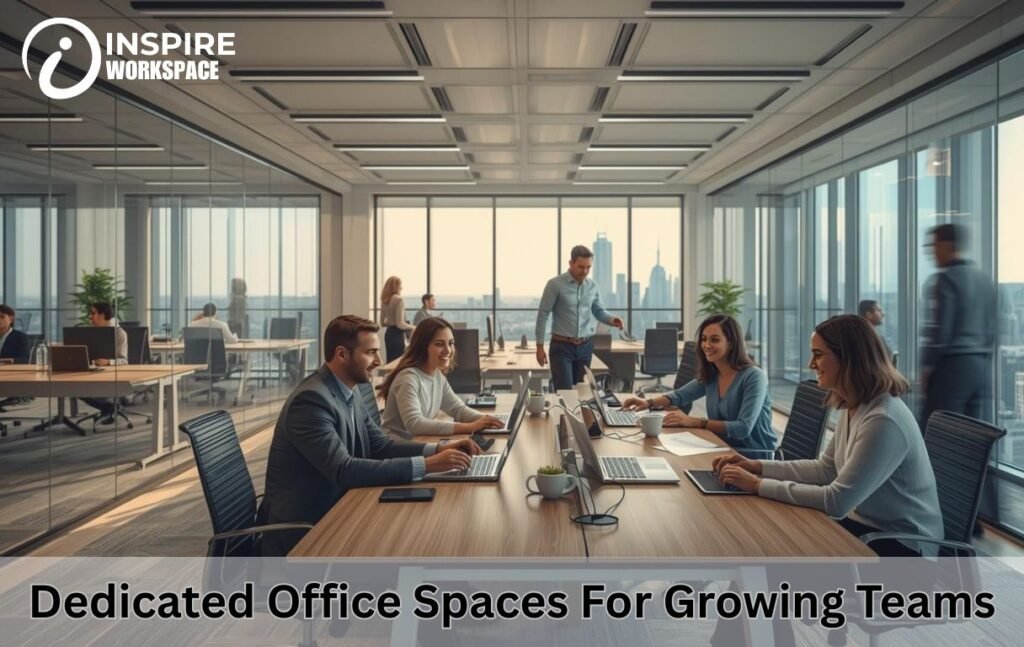
In the fast-paced world of business today, growth is thrilling — but it also brings challenges. As your team grows, so do your workspace requirements. While that worked for a tiny startup, it can quickly feel cramped, distracting and energy-siphoning. Enter dedicated office spaces, the smart, scalable solution for companies outgrowing their environments. With a dedicated office space, your team will get an entire private office that is furnished and kept in a professional working environment. This setup ensures consistency, privacy and simply owning the space — something that’s extremely valuable for teams scaling operations internally and working to build more internal collaboration versus external touchpoints like coffee houses and team gatherings around town when it’s time to discuss action items. Why Dedicated Office Spaces Are Crucial For Growing Teams : a) Room to Scale Comfortably As your team grows, the importance of flexibility cannot be overstated. Dedicated offices help you expand seating, add departments or restructure teams without the headache of moving. You can grow up in the same professional environment instead of moving every year. b) Enhanced Productivity A private space helps you to avoid distractions that are usually present in open coworking spaces. The top benefit is that this helps the teams to better focus, take the meetings without being interrupted and follow a structured workflow. Which results in better efficiency and more robust performance. c) Stronger Team Collaboration Communication gets easier when your team members work from a uniform, shared space. Brainstorming sessions, strategy meetings and quick discussions occur organically — driving improved collaboration and speedier decision making. d) Professional Brand Image Having a dedicated office lends your business an air of stability and credibility. People, stakeholders, partners and clients feel more comfortable attending at leased office space that gives the impression of formality rather than with a temporary desk. It is a sign of growth, stability and long-term vision.  e) Privacy and Data Security Growing companies deal with sensitive information — from client contracts to financial data. While flexible coworking can increase productivity, dedicated spaces ensure confidentiality and security–the ability to conceal sensitive or proprietary information is paramount in the hiring process. Top Features of Dedicated Office Spaces The majority of dedicated office solutions provide: These amenities help eliminate operational headaches so brands can concentrate 100% on business expansion. Cost-Effective Growth Strategy Typically, leasing standard commercial property requires long-term commitments along with costly deposits and infrastructure investment. Instead, dedicated office spaces offer a more affordable option. On the other hand, businesses have a professional setup in place and ready for their use without worrying about maintenance, utility or facility management. This adaptable model enables companies to spend wisely on their financial outlays while giving high-quality work premises. Ideal for Various Growing Businesses Dedicated office spaces are ideal for: Whether it’s five new hires or doubling the size of your team, a dedicated workspace scales to meet your needs. Creating a Culture of Growth The workspace is much a part of company culture. An office helps you structurally grow, encourages accountability and collaboration. This allows for higher team cohesion, clearer leadership interplay and more systematic working towards goals. The more comfortable and valued an employee feels in their workspace, the better job satisfaction will be — increasing retention and performance. Conclusion Growing is a goal — but navigating it wisely makes the difference. Dedicated office spaces strike the ideal balance of flexibility, privacy, professionalism and scalability for growing teams. Rather than being constrained by space limitations or operational burdens, businesses can truly focus on what matters: Innovation, collaboration, and long-term success. As your team expands, so too must your workspace. An office space is more than just an area to work in — it’s the underpinning for your next chapter of company success.

Coworking Spaces for Remote Teams: Bridging the Distance
Blog

Coworking Spaces for Remote Teams: Bridging the Distance

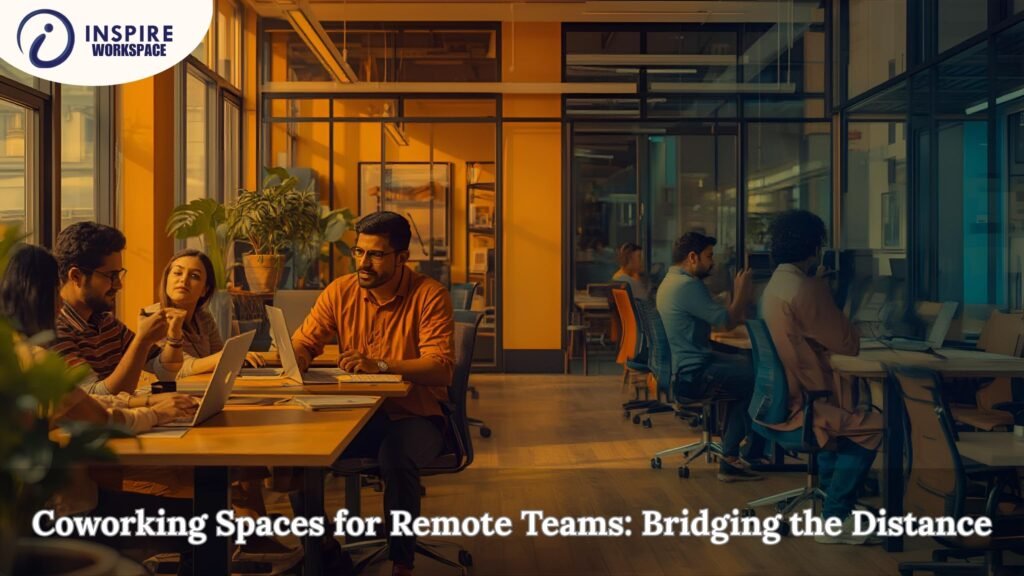
Introduction Remote work has changed the way we think about offices. Teams are no longer sitting under the same roof every day. Employees work from home, cafés, different cities, and sometimes even different time zones. For businesses, this flexibility has been a game changer. But let’s be honest—while remote work offers freedom, it also creates distance. Not just physical distance, but emotional and professional distance too. Conversations become scheduled calls. Brainstorming turns into screen sharing. Team bonding slowly fades into chat messages. This is where coworking spaces are making a real difference. They are becoming the bridge between fully remote work and traditional office culture—offering teams a space to reconnect, collaborate, and grow together. The Reality of Remote Teams At first, remote work feels efficient and convenient. No commute. Flexible schedules. Comfortable surroundings. Over time, however, teams start facing common challenges: Zoom calls and messaging apps are useful, but they cannot fully replace real human interaction. Sometimes, teams simply need to sit together, talk freely, and exchange ideas without screens in between. Why Coworking Spaces Make Sense Coworking spaces offer a balanced solution. They provide a professional environment without forcing teams back into rigid, full-time office routines. For remote teams, this means: A Space to Collaborate When team members meet in person, discussions flow better. Brainstorming becomes more dynamic. Decisions are made faster. Creative ideas often emerge more naturally face-to-face. A Stronger Team Connection Meeting occasionally in a shared workspace helps rebuild the human connection that remote work sometimes weakens. It improves trust, accountability, and team morale. A Focused Work Environment Not everyone has a perfect home office setup. Coworking spaces provide high-speed internet, comfortable seating, meeting rooms, and a distraction-free environment designed for productivity. Flexibility Without Commitment Unlike traditional office leases, coworking spaces allow teams to use the space when they need it—daily, weekly, or monthly—without long-term contracts. The Hybrid Future of Work The future is not about choosing between remote and office work. It is about finding the right balance. Many companies are now adopting hybrid models where teams work remotely but meet regularly for: Coworking spaces fit perfectly into this model. They give businesses the flexibility of remote work while maintaining the structure and collaboration of an office environment. Supporting Remote Teams in Chennai For growing businesses and startups in Chennai, especially around Vadapalani and nearby areas, coworking spaces provide an accessible and cost-effective solution. Instead of investing heavily in a permanent office, teams can gather in a professional setting whenever collaboration is needed. This approach reduces overhead costs while maintaining productivity and professionalism. It also gives companies the opportunity to scale smoothly. As teams grow, seating can be adjusted without the stress of relocation or expensive upgrades. Conclusion: Remote work has created flexibility and wider opportunities, but long-term success requires more than just connectivity. Teams still need real interaction and shared collaboration to stay aligned. Coworking spaces bridge this gap by combining flexibility with structure and independence with teamwork. For remote teams, they offer a practical and sustainable way to stay productive and connected.

Why More Corporate Teams Are Choosing Coworking Spaces
Blog

Why More Corporate Teams Are Choosing Coworking Spaces

Introduction Today’s workplace is changing more quickly than at any time in history. Conventional and traditional offices, known for being the epitome of a corporate office, are increasingly having to step out of their comfort zone with more dynamic work place designs that promote flexibility and teamwork. The rise of coworking spaces among corporate teams One of the most significant trends is the surge in popularity of corporate teams using coworking spaces, a trend that has emerged only recently. What was originally conceived to cater for freelancers and startups has evolved as a strategic tool for businesses, SMBs, and remote teams. Your guide to coworking space, from cost effectiveness to increased employee productivity, with current industry culture mirroring the needs of today’s businesses. Today companies are concentrating on flexibility, innovation and taking care of the employees — everything which is offered by coworking spaces. The Rise of the Non-Conventional Office Space Corporate entities are shying away from long-term leases and inflexible office plans. And as hybrid work models become the new standard, businesses are in need of flexible spaces that can be expanded or shrunk depending on team size and project. With coworking space, there is no need to worry about office systems, maintenance and administration. Companies can move into ready-made offices instead of investing a lot in furniture, utilities and I.T. set-ups. This kind of flexibility means companies can adapt to market fluctuations without feeling the squeeze. Cost-Effective Solutions for Growing Teams Cost-Effectiveness One of the most common reasons corporate teams are drawn to coworking spaces is that they are generally much more cost-effective than renting an independent office. Compared with traditional office rentals, coworking spaces can reduce expenses related to maintenance, utilities, furniture, and other overhead costs. Additionally, renting and maintaining an office in a high-demand business area can be particularly expensive. They represent access to the top office in a fraction of the price. Companies benefit from: With reduced overhead costs, companies can invest more in growth, innovation and staff development. Increased Productivity and Employee Satisfaction Workplace design directly affects productivity of the staff. Creating a conducive environment for innovation, coworking spaces provide contemporary decor, ergonomic furniture and professional culture. Corporate employees often experience: Coworking Offices Unlike traditional offices that can sometimes be monotonous, coworking spaces are designed to have an energetic vibe that brings creativity and collaboration. Other Amenities and Technology Access Corporate groups can access an all-equipped office infrastructure without the need to make any further investment. High-speed WiFi, meeting and conference rooms, printers, security systems are found in almost every coworking space. Some spaces even include: With this plug-and-play system, businesses can concentrate on their business while the office takes care of itself. Networking Opportunities and Business Growth Another great benefit of coworking environments is the possibility to meet people from different industries. Similarly, team members from the corporate sector collaborate with startups, freelancers, and entrepreneurs to uncover new opportunities for cooperation. These environments encourage: Ending up in a coworking space offers instant access to local business networks for companies entering new markets or expanding into other cities. Enhancing Company Culture and Innovation Contemporary employers understand the significance of workplace culture. Coworking spaces also cultivate openness, creativity and collaboration – all of which are fundamental for innovation-led companies. By seeding teams in dynamic environments, companies foster new ideas and diverse mindsets. Exposure to people from different background or profession will get your employees thinking and imagine out of the box. Hybrid and Remote Work Models Support Remote work has revolutionized the way companies do business. Many businesses no longer need huge centralized offices but still need professional spaces for teams to meet, collaborate and brainstorm. Coworking Spaces are ideally suited to the hybrid work model, providing: This flexibility enables companies to stay productive, whilst allowing employees to work in environments that suit them best. Conclusion The rise in popularity of coworking spaces for enterprise teams is indicative of a major shift in the business world’s attitude towards the workplace. >> Flexibility, savings, work productivity and the use of modern amenities are a few reasons whycoworking spaces are powerful alternatives to traditional office. As the world of work becomes increasingly remote, organizations are adopting hybrid work models and placing greater focus on employee well-being. At the same time, coworking spaces are becoming more than just physical spaces. They are evolving into hubs that foster collaboration, encourage innovation, and support business growth. In addition, these spaces give professionals and teams opportunities to connect, exchange ideas, and build meaningful business relationships. For businesses looking to keep pace with today’s rapidly changing environment, coworking spaces offer a practical and scalable office solution for future-ready teams.

Why Business Are choosing Inspire offcie space in chennai
Blog

Why Businesses Are Choosing Inspire Office Space in Chennai

Introduction Chennai has quickly developed as one of India’s leading economic leaders. From information technology services to startups, consultants and freelancers working at cafe’s – businesses across the board are now finding it easy to have economical and flexible workspaces, putting productivity above all. Old-fashioned offices with their long leases and expensive setups are prohibitively impractical for many contemporary businesses. This shift has given rise to the popularity of coworking and managed office spaces and, for many young professionals today, Inspire Office Space is the top choice in Chennai. Created for startups, SMEs, and MNCs to solo founders and independent professionals, Inspire Office Space is a healthy mix of flexibility, comfort and the professional infrastructure you need. The Increasing Need of Flexible Workspace in Chennai How people work has been transformed. Hybrid work models, remote teams and project-based hiring have been driving flexibility to the top of the list for firms. This business ecosystem in Chennai now needs offices that can grow and/or shrink without the mammoth locks-ins for long term. Flexible office space solutions tackle the following major challenges: Inspire Office Space meets these requirements with flexible plans, turnkey offices and a workspace philosophy that promotes contemporary working. Prime Location Advantage Inspire Office Space: great location in Chennai One of the main reasons why businesses decide to house their office at Inspire Office Space is its prime location within Chennai. Well-connected to arterial roads, public transportation and business areas that is more convenient for teams and clients daily traveling. A well-located office: Inspire Office Space are strategically located in convenient and accessible locations, designed to fit the fast-growing companies Cost-Effective Workspace Solutions Establishing a standard office requires substantial upfront expenditure in rent deposits, furniture, internet installation, utilities and office maintenance. This sucks up much-needed capital for startups and SMEs. Inspire Office Space also provides affordable office options such as: This one-pricing-fits-all will enable companies to better organize expenses and invest more in growth and less in infrastructure Personalized Plans for any Size Business We know every business is unique and Inspire Office Space appreciates that. No matter if you are a one-man band, small team or growing business – we have work spaces to fit. Available options include: With no long-term leases to commit to, businesses can expand or shrink flexibly and comfortably with Inspire Office Space – a smart choice now and for the future. Professional and Productive Work Environment The design of a working area is essential to enhance the productivity and motivation of employees. At Inspire Office Space, we’ve centred our design ethos on providing the perfect conditions for concentration, collaboration and innovation. Key features include: Teams and the team members themselves work better in a relaxed (or casual) state where they are comfortable and professional at the same time Strong Community and Networking Opportunities One of the main benefits of selecting Inspire Office Space is becoming part of a thriving business community. Coworking spaces are not like the humdrum offices — they are open, social and friendly. At Inspire Office Space, you will enjoy all: This sense of camaraderie, though, provides advantages beyond mere office space. Suitable for Small Businesses and Large Enterprises Inspire Office Space works with many differing types of professionals and businesses: Startups enjoy low entry costs and flexibility, whereas business owners of enterprises value professionalism and scalability. It is particularly ideal for: Inspire Office Space is the first pick for Why so versatile? Conclusion With Chennai witnessing booming business economy and startup ecosystem, the need for shared, cost-effective office spaces is inevitable to rise. Inspire Office Space is unique because of its modern infrastructure, flexible plans, prestigious neighborhoods and engaging community, all are one roof. For companies seeking to cut costs, boost productivity and easily scale their business, Inspire Office Space is more than just an office – it’s a growth partner. This is why increasingly more Chennai businesses are making Inspire Office Space their office of choice.

The Ultimate Office Space Checklist for First-Time Entrepreneurs
Blog

The Ultimate Office Space Checklist for First-Time Entrepreneurs

Introduction Starting your first business is exciting but choosing the right office space can feel overwhelming. For first-time entrepreneurs, an office is more than just a place to work; it reflects your brand, supports your team’s productivity, and influences your company’s growth. A wrong decision can lead to unnecessary costs, low morale, or operational challenges, while the right office space can set a strong foundation for success. This ultimate office space checklist is designed to help first-time entrepreneurs evaluate all the essential factors before signing a lease. Whether you’re launching a startup, scaling a small team, or moving out of a home office, this guide will help you make a smart, future-ready decision. 1. Location and Accessibility Location is one of the most critical aspects of choosing an office space. A well-connected location makes it easier for employees, clients, and partners to reach you. Checklist points: For first-time entrepreneurs, choosing a central or emerging business hub can boost credibility without the cost of premium corporate districts. 2. Budget and Cost Transparency Many entrepreneurs focus only on monthly rent, but office space comes with additional expenses. Understanding the full cost structure helps avoid financial strain later. Checklist points: A managed or coworking office often offers predictable pricing, which is ideal for startups managing tight budgets. 3. Size and Scalability Your office should meet your current needs while allowing room for growth. Leasing a space that’s too small can disrupt operations, while an oversized office can waste money. Checklist points: First-time entrepreneurs benefit from flexible office spaces that grow with the business. 4. Office Layout and Design The layout of your office directly impacts productivity, collaboration, and employee satisfaction. A well-designed workspace encourages focus and teamwork. Checklist points: Modern office spaces with thoughtful design reduce fatigue and improve overall work efficiency. 5. Infrastructure and Technology Reliable infrastructure is essential for smooth daily operations. Downtime caused by poor internet or power issues can hurt productivity and professionalism. Checklist points: A tech-ready office ensures uninterrupted workflow, especially for digital-first businesses. 6. Amenities and Employee Comfort Comfortable employees are more productive and motivated. Amenities play a key role in creating a positive work environment, especially for startups competing for talent. Checklist points: These features may seem minor, but they significantly affect daily work experience and employee retention. 7. Legal and Lease Terms Understanding lease terms is crucial for first-time entrepreneurs, as long-term commitments can be risky for new businesses. Checklist points: Short-term or flexible lease options reduce risk and provide peace of mind. 8. Brand Image and Client Perception Your office is often the first physical impression clients have of your business. A professional workspace builds trust and confidence. Checklist points: A well-maintained office enhances credibility, especially for first-time entrepreneurs meeting investors or clients. 9. Community and Networking Opportunities For startups, being part of the right business community can open doors to partnerships, learning, and growth. Checklist points: Shared or managed office spaces often provide built-in networking advantages. 10. Safety and Compliance A safe and compliant workplace protects both your team and your business. Checklist points: Never compromise on safety, even if it means paying slightly more. Conclusion Choosing your first office space is a milestone in your entrepreneurial journey. It’s not just about finding a desk it’s about creating an environment that supports productivity, reflects your brand, and allows your business to grow confidently. By following this ultimate office space checklist, first-time entrepreneurs can avoid common mistakes and make informed decisions that align with their goals and budget. Take the time to evaluate each factor carefully, ask the right questions, and prioritize flexibility. A well-chosen office space doesn’t just house your business it helps shape its future success.

Coworking for Creatives: How Shared Offices Spark New Ideas
Blog, Coworking events in Chennai, Coworking Space, Flexible Office Space in Chennai, Furnished Office Space, Inspire Coworking, Inspire Office Space, Meeting Room, Renting office space in chennai, Shared Office Space

Coworking for Creatives: How Shared Offices Spark New Ideas

Introduction In today’s competitive and fast-evolving work environment, it is clear that creativity plays a vital role in accomplishing successes for your business. And creative professionals — whether they are designers and content creators, digital marketers, developers or entrepreneurs have always needed more than just a desk provided with an internet connection. They require spaces that promote collaboration, foster innovation and accommodate changing work styles. The rise of coworking spaces – flexible, stylish, and well-designed office spaces that revolutionize the way we think about work environments – has exploded in large part due to the demand. Through interaction, access to varying ideas and observation from thoughtfully constructed environments, coworking spaces foster environments where creativity thrives. At Inspire Office Spaces we have created a coworking space that will help to inspire creative thinkers and turn ideas into something real. The Evolution of Creative Workspaces Creative professionals’ workflows have changed dramatically over the last 10 years. However, traditional office environments can be overly formal and filled with strict rules, which may limit creative inspiration. Meanwhile, remote work offers flexibility but can sometimes feel isolating and make collaboration more difficult. In contrast, coworking spaces provide a middle ground, allowing professionals to focus independently while also having opportunities to collaborate with others. As a result, they can enjoy greater flexibility without sacrificing a professional atmosphere. Today, shared offices are celebrated for uniting creativity, work and community as innovation hotbeds. Collaboration: The Role It Plays in Creative Work In places in which ideas are free to percolate creativity flourishes. One of the best things about coworking spaces is that they offer a variety of professionals to work under one roof. People come from different areas, backgrounds and capabilities mix naturally with one another — they think what nobody else has thought. In a coworking environment, collaboration occurs organically — it could be over a coffee break or chat, during the brainstorm sessions or meet at community events that are held at the shared workspaces. Such interactions frequently result in ideas, collaborations and solutions that do not come to light when individuals work alone. For creatives, that kind of exposure can be a powerful force for inspiration. Coworking Spaces Designed For The Creative Flow Artistic work does not adhere to a pattern. Some of it is deep focus, some of it is about being open in conversation and in the room. These ever-changing requirements are met by coworking spaces through their flexible layouts and numerous workspace solutions. This flexibility permits creatives to select a workspace that suits their work type, resulting in increased efficiency and creativity. Inspiring Design and Professional Ambience The workspace in physical world is important for stimulation and productivity. The modern interiors, comfortable furniture, natural light and attractive layouts make for a working space that fosters innovation. Balance Professionalism with Comfort at Inspire Office Spaces We are conscientious of striking that perfect balance. Plus an inspiring atmosphere not only triggers focus, but also boosts motivation, which results in a more interesting and productive working day for creatives. Membership access to luxury amenities without the hassle of managing them It can be expensive and time-consuming to build out a full-fledged office, especially for freelancers, startups and creative agencies. Coworking spaces provide a solution by bringing all these amenities together in one membership. Shared offices provide:Community-Driven Networking Opportunities This frees creatives up to concentrate on the work they do best with no overhead or maintenance responsibilities on a traditional office. Why Inspire Office Spaces Is Perfect For Creatives Inspire Office Space is consciously created to cater today and tomorrow’s creative distractions. Featuring high-end amenities, flexible rates, and a community of forward-thinking members, Inspire is more than a coworking space – it’s an idea factory. Key benefits include: Whether you’re a solo creative or growing team, Inspire Office Spaces is where ideas flourish, collaboration flows and productivity soars. Conclusion Coworking has revolutionised the way creatives approach their work, with an emphasis on collaboration, flexibility, and fresh ideas. By moving beyond traditional office boundaries, these spaces encourage the exchange of ideas and put essential creative resources within easy reach. For creative professionals looking to leave the isolation of home, coworking spaces provide a professional setting that supports focus, collaboration, and innovation. As a result, they offer an environment where independent creativity and meaningful connections can thrive..Inspire office spaces is the safe haven for creative minds to ignite new concepts, expand networks and nourishsustainable growth.

The Economics of Coworking: Trends & What to Expect in 2026
Blog

The Economics of Coworking: Trends & What to Expect in 2026

Introduction The trend of coworking space boom in the last decade has seen coworking’ culture extensively spreading across the world. Originating as a coworking solution primarily for freelancers and self-employed professionals, this has become fundamental to the infrastructure of today’s business. In one such instance, companies are turning to flexible co-working spaces that offer comparable facilities and a similar experience as traditional office space. By taking a look at the economics behind this trend, we can begin to understand why coworking is still on the rise and what it will be like come 2026. Coworking as an Economic Model At the crux, coworking is based on a resource-sharing model that offers greater cost savings and space utilization. Typical office setups involve long-term leases, upfront investment and continuing maintenance costs. Coworking, on the other hand, provides companies with move-in ready space via contract that you may amend at will turning fixed costs into a flexible cost of business. If you operate a workspace then coworking offers the chance to increase revenue per square foot by accommodating different types of users. It’s a win-win model, companies get more liquidity and operators have access to adjustable and diversified cashflow streams. Key Economic Factors Driving Coworking Growth There are a number of structural and economic reasons for persistent demand for coworking spaces. Changing Demand from Enterprises Previously, coworking was predominantly seen as the domain of early-stage companies, but increasingly it has been driven by large companies too. Many businesses use coworking facilities as satellite offices, incubators, and project sites. This method enables businesses to remain nimble while avoiding long-term real estate liabilities. Enterprise appetite has driven pricing models and service propositions as well. Operators are expanding the utilization of tailored versions based on corporate compliance, security and branding need. Pricing Structures and Revenue Diversification The economics of coworking have evolved beyond mere desk rental. Today’s coworking spaces offer memberships in multiple tiers, private offices, day passes and enterprise packages. This modularity allows users to chose options that best fit their needs in both cost and operation. Work operators not only get paid from workspace, but also from meeting rooms, event space, business services and tech-powered amenities. This diversification enhances financial stability and lessens dependence on a single source of income, increasing long-term sustainability. Cost Advantages for Businesses On a business level, coworking makes sense in terms of dollars and cents. Costs for utilities, internet, security, cleaning and office management are lumped into one predictable fee. This means simplified budgeting and lower administrative overhead. Coworking also supports scalability. With workspace pay-per-use, you can scale workspace use up or down to adapt to fluctuations in team size or project needs without being penalized. This flexibility is most useful in uncertain economic conditions. Role of Technology in Reducing Costs Coworking economics is interspersed with technology on a fundamental level. Digital access control, hot-density booking and utilization monitoring all assist operators in maximizing space usage and minimizing wastage. Using these tools leads to profitable, data-based decisions. For the end user, reliable connectivity and digital tools that are central to completing their work increases productivity and collaboration. When physical space and digital infrastructure are seamlessly integrated together, the sum is greater value than the two parts alone making coworking a smart investment. Sustainability and Long-Term Value Sustainability being more and more linked with performance factors. Since the energy is shared by users, it reduces aggregate server power and minimizes wasted space, both of which lower environmental cost per user. With sustainability increasingly at the forefront, coworking spaces with efficient design and operations will have a much bigger competitive edge. Already by 2026, sustainability-led behaviors should impact operating costs and customer demand, making sustainable resource management a necessary part of coworking eco-economics. Regional Expansion and Market Maturity Coworking spaces are spreading beyond prime cities to smaller towns and tier-2 cities. This accommodation reflects changing work habits and the preference for offices near homes. These are markets where real estate costs tend to be lower, meaning margins are enhanced for operators and options are cheap for users. Competition is anticipated to rise as the industry comes of age. Your success will be based on the quality of your service AND efficient operations and local/appropriate market adjustment, not scale. What to Expect in 2026 Coworking will become fully part of business’ workspace strategies by 2026. The momentum toward flexible, enterprise-friendly solutions that enable hybrid work models will only grow. Operators will concentrate on enhancing customer service, minimizing costs and utilizing technology to stay profitable. Coworking is not a replacement for the traditional office, but rather it can work side by side with the traditional office as a tactical hedge within corporate real estate planning. Conclusion The economic mores that activate the coworking revolution are those of a general trend toward mutability and plays for cost.” With businesses dealing with changing workstyles and financial strain, coworking spaces are a cost-effective way to handle it. Fast forward to 2026, and coworking isn’t the alternative option – it’s a desired piece of sustainable business and workspace strategy.

Split view showing a private office on one side and a modern coworking space on the other, comparing two workspace options for businesses.
Blog

Private Offices vs Coworking Spaces: Which Is Right for You?

For any business, among the most crucial decisions is choosing the right office space. Workspace matters If you are an entrepreneur, a medium-sized business or an enterprise, the workspace of your organization can affect your productivity, collaboration, cost and culture. There are a couple popular options that dominate the flexible space industry today – private offices and coworking. Although each provides a modern alternative to the traditional long-term lease, they cater to different business demands. Written This guide all about comparing private offices vs coworking spaces and what is best for your business. Understanding Private Offices A private office refers to a dedicated, enclosed space used solely by one company or team. These are furnished offices usually located in a business center or flexible workspace property. Key Features of Private Offices Private workspaces provide the best of both worlds between an independent office and open concept office space. Understanding Coworking Spaces Coworking workspaces are physical spaces where individual and team workers from multiple companies share a work environment. These are spaces that emphasise flexibility, collaboration and community. Key Features of Coworking Spaces Since these spaces are adaptable and intended for interaction (built around a turnkey lifestyle), they naturally appeal to people who tend to share these kinds of tendencies(promescuous) of freelancers, startups or remote workers. Privacy and Focus Private Offices If your company deals with proprietary information, client files or privileged communications, a private office provides full privacy. Teams can co-operate without interruption, meet in private and keep confidences always. Coworking Spaces The coworking setting is vibrant and energetic, which may be inspiring but also distracting. And although some coworking spaces have quiet zones or phone booths, the privacy does not compare to a private office. Private Offices Best for privacy. Collaboration and Networking Private Offices Team cooperation is simply not a problem in a private office. But, you won’t have an opportunity to do much business with other businesses unless they are using the sameisation but even then it is largely restricted to social areas and networking events. Coworking Spaces Coworking spaces thrive on community. They also provide the chance to network with people working in a variety of fields, share ideas and establish meaningful business relationships. The Ideal Spot for Networkers Best Place to Network: Coworking Space Flexibility and Scalability Private Offices Today’s private offices can transform to suit your needs. Companies can move up or down in office size or team seating flexibly without long-term leases. This makes them perfect for startups looking to operate in a stable yet flexible setting. Coworking Spaces Coworking spaces offer maximum flexibility. You can evacuate or decant chairs at will, making them a good fit for freelancers, startups and short-term projects. The most flexible options: Coworking Spaces Top pick for defined growth: Private Offices Cost Considerations Private Offices Private desks almost always require a larger upfront investment than coworking is offered for. But the pricing comes with furniture, utilities, maintenance security and administrative support included, making it a better value for established teams. Coworking Spaces Coworking spaces are usually cheaper for the individual or the small team. You only pay for what you use, which is a big cost control when in that first business phase. Best for Cost Effectiveness: Coworking Spaces (Small Teams) Best value over time (teams): Private Offices Brand Image and Professionalism Private Offices Having a home office permits you to create powerful brand recognition. Personalise the Space- Branding is key to showcase across your dynamic work space and meet, greet a client in a sleek professional environment. Coworking Spaces So while coworking spaces are new age and cool, branding options are restricted. They do work nicely for informal meetings, though may not be a good fit for businesses needing to have a more formal feel. Best for brand exposure: Private Offices Employee Experience and Well-Being Private Offices Private offices mean more control over noise, lighting and work environment which results in greater employee satisfaction and productivity. There can be better team focus and work-life balance. Coworking Spaces Coworking spaces generate vibrancy that gives rise to creativity and inspiration. But all-office layouts can present challenges for employees who like to work in quiet. Private Offices Best for: Team Comfort Top places for creative energy: Coworking Spaces Who Should Choose Private Offices? Private offices are ideal for: Who Should Choose Coworking Spaces? Coworking spaces are ideal for: Conclusion Deciding between a private office and a coworking space will come down to the size of your business, your budget, work style, and expansion plans.If you want privacy, company branding, and team efficiency, then a private office wins! If flexibility, affordability and networking matter most to you, that’s when a coworking space could be the right fit. Both provide fresh takes on familiar office problems. Know what you need today and what you want tomorrow to ensure that the workspace you choose supports growth, efficiency, and success.

The Ultimate Office Space Checklist for First-Time Entrepreneurs
Blog

What Are the Hidden Advantages of Private Offices?

Intoduction Office space design is an important factor in productivity and the success of a business. While open plan is all the rage, private office space continues to offer some underappreciated strategic benefits. Hence, in most cases the positive aspects of these are neglected by businesses that simply think they save cost or take any system and choose to use reasonable accommodation approach.Private offices offer more than just closed doors and individual desks. They offer structural, management and performance benefits which can directly impact steady growth of an organization.Private offices produce a space for focused thought and intentional action. They’re the supporters of those who need to concentrate, be discreet and continually move. The benefits are more than just quiet, and they include psychology, branding, efficiency and leadership effectiveness. By knowing these end benefits, companies can make smarter investments in real estate. Improved Focus and Ability to Deep Work Independent workspaces reduce the mental load by getting rid of visual and auditory interferences. There is less cut-through from neighbouring chats, movement and shared equipment sounds. This setting also makes deep work easier than elsewhere, increasing task accuracy and completion rate. Solving complex problems is easier when human mental energy is not disturbed. Concentrated work means better quality, fewer mistakes. Workers spend less time recovering attention after they are interrupted. This leads to increased performance and efficiency over a working day. Private offices also eliminate multitasking habits, which can make you less productive overall. Those who do analytical, creative or confidential work benefit the most.But they perform better when interrupted thinking is the default. Privacy That Strengthens Trust and Professional Confidence Confidentiality helps employees feel safe during crucial conversations and decision-making. Workers feel more secure sharing thoughts without the worry of being judged. This psychological safety enables innovation and candid conversation. Private office space lets you have personal consultations with clients, partners or even alone. It is a safeguard for classified and strategic information. Confidentiality is vital for building trust within the team. Private space employees feel respected and working.  This brings importance as well, which results in job satisfaction and loyalty. When people feel trusted with responsibility, they perform better. Improved Leadership Presence and Authority Private offices provide a clear sense of hierarchy to facilitate leadership. They give leaders room to think about a strategy without ongoing interruption. In controlled situations, decision-makers can more deeply process information. It also helps leaders better manage meetings and discussions. This reinforces the presence of leadership in an organization. Leaders seem more approachable to employees during planned encounters. This type of balance increases respect and does not reduce retreat friendliness. Less Stress and Better Mental Health Open offices are often blamed for mental exhaustion and sensory overload. Private offices can also help cut down on noise-related stress and anxiety. Workers tend to feel more emotionally even at work. Relatively controlled environments also enable people to control their environment (such as lighting, temperature, seating preference etc.). This individual control for such far better convenience and lessened bodily harm. Mood, energy and productivity is impacted by comfort. Less stress equals less burnout and sick time. When stress goes down, employees enjoy better work-life balance. Higher Productivity Through Personal Ownership Separate offices foster a sense of ownership in the workplace. The staff take responsibility This sense of ownership promotes better time and task management. We all give space respect that feels personally allotted. This means everyone is working in a cleaner environment and there are better practices. Performance Enhanced when schedules are without disruption. Employees also have the freedom to tailor their work environment for productivity. Self improvement will help you grow your sense of self and closer to the best. More Powerful Brand and More Professional Impression Private offices enhance the professional image of a company. Private offices are also associated by clients with credibility, stability and gravitas. Such a consideration affects trust and business making decisions. Private offices are a physical expression of corporate culture and identity. They show they value their employees and long-term success. This helps enhance the corporate and external brand. Private office companies seem more legit when they host clients. This is a plus in finance, consulting, and law. Long-Term Cost Efficiency Private rooms minimize some of these productivity drains, potentially saving engaged couples hours in the long-run. Less distraction equals less waste of working time. Increased efficiency balances higher rent over time. Retention is better when morale and comfort are high. Decreased turnover does prevent the costs of hiring and training new staff. We know that stable teams do better, faster. Private offices also drive down spending on health. Less stress means less sick days. Improved Hybrid and Senior Positioning Individual offices accommodate flexible schedules and hybrid work arrangements.Workers returning from remote work need destination environments. Private zones for a cohesive working communicate Who said that a period of crisis makes you talk less to your colleagues?  Leadership positions need to be discreet, strategic and clandestine. It follows naturally that private offices are suited to executive duties. They foster mentoring, they reviews and tough conversations. Companies that are scaling leadership team members enjoy private office setups. Key Hidden Advantages Conclusion If anything, today’s workplaces are centered on collaboration rather than concentration. However, sustainable productivity requires balance. Private offices offer the structure that high-quality work depends upon. They enable staff to provide consistent and excellent results. They also safeguard mental health and professional integrity. Businesses planning long-term growth ought to reconsider the value of private office. In whole, the inherent benefits are subtly outweighing obvious costs. Private offices continue to be a wise investment in people and performance. They are, when designed well, good for both people and institutions. The real benefit is in facilitating places where work actually occurs.