inspire office space wp

furnished office

rent office space
Blog

Coworking Vs. Home Office: Why Rent Office Space?

Introduction In recent years, the nature of work has changed dramatically. And with the proliferation of digital technology and remote work, today’s professionals enjoy more freedom than ever before. The days of going into the office have long been over. People can now simply work from home, a coffee shop, or even a shared office space. Of these, home offices and coworking spaces have become particularly popular. They each come with particular advantages and challenges. So how do you choose what feels right for you? In this article, we’re going to look at the benefits and downsides of home offices and coworking spaces, then consider how renting office space could be the perfect middle ground to help you stay productive while also going for growth and balance. The Home Office: Calming through Challenges For millions, remote work began as a stop-gap measure under global lockdowns — but it soon turned into a long-term arrangement. Home offices provide the highest level of convenience and comfort but not without its drawbacks. Pros of Working from Home Convenience & Flexibility To have the ability to decide how and when to work is one of the biggest benefits of working from home. You don’t have to commute, you can wear whatever you want, and you can schedule your hours around the times when you do your best work. This flexibility can be particularly useful for parents or caregivers. Cost Savings Home offices can also be vastly cheaper, with no desk rent to pay, no daily travel expenditure, and lower incidental spending, such as going out to eat. However, if not a physical location is needed as part of your business I think this can be beneficial to save some money in the early stages. Custom Setup From ergonomic chairs to standing desks and customizable dĂ©cor, your home workspace can be built according to your taste. You’re not bound by rules or furniture in an office—you can make it fit just your needs. Cons of Working from Home Distractions at Home As appealing as it may be to work in pajamas, the reality is not quite so rosy. Household chores, kids, pets, television and yes, the seductive appeal of a nap can all derail your productivity. For some, maintaining discipline in a home environment can be challenging. Isolation and Loneliness Remote work can be lonely. When there are no coworkers toRun ideas by in person, a sense of isolation (and solitude) can develop over time. It’s a recipe for lower motivation, lost networking opportunities and even mental-health issues. Blurred Work-Life Boundaries It’s hard to put a line between you and work life when your kitchen table is your desk. Many remote workers start replying to emails at midnight or working far beyond office hours, which can quickly lead to burnout. Coworking Spaces: The Balance Between Home and Solo Corporate Coworking spaces are shared office spaces designed for flexibility, collaboration, and community. Buzzy with freelancers, startups and small businesses, they offer all the amenities of a traditional office — minus the long-term lease. Benefits of Coworking Spaces Networking Opportunities Networking is one of the major advantages of coworking spaces. These spaces tend to attract a unique mix of people, including freelancers, entrepreneurs, remote employees and creatives, and as such serve as fertile ground for networking and collaboration. Improved Productivity An office with a lively tone can motivate you to stay on track and responsible. You’re around others who are also working, which tends to foster a more disciplined mentality. Amenities & Services Because most coworking spaces offer a variety of services — high-speed internet, conference rooms, printing, coffee bars and sometimes even fitness centers. You experience the essence of a professional workplace and don’t have to deal with logistics, yourself. Work-Life Separation Going into work gives a natural line between personal and professional life. Having this separation can really improve have to be on mental clarity and work-life balance. Downsides of Coworking Spaces Monthly Costs Coworking spaces do require a financial commitment, however. While cheaper than leasing a private office, they often do charge membership fees, which can add up — particularly for solo workers. Noise & Distractions While they are professional spaces, coworking environments can be loud or shared at times. If you need silence to stay focused, there may be conversations, phone calls and normal activity that would distract you. Limited Privacy Or, if your work is sensitive and needs confidentiality, a share platform might not be right for you. Private rooms are usually available, but they tend to be pricier. The Best of Both Worlds? Rent Office Space. For plenty of freelancers, consultants, and emerging growing startups, renting a dedicated office space could be perfect medium between the freedom of home, and the framework of coworking. Why Should You Rent Office Space? Scalability As a solo professional or small team, renting office space gives you the option to grow at your unique pace. Begin with a single desk or a room, then scale as your company grows—all without commitments to long commercial leases. Stronger Brand Image hiring a dedicated office gives your business the professional edge It reassures clients and partners that you’re grounded and serious. Nothing is more credibility-boosting than meeting in your own space, not a cafĂ© or coworking hub. Better Accountability & Focus A separate office provides a distraction-free space. Unlike a home or shared environments, you can control it entirely, impose your own rules and develop a routine to suit your productivity. Team Satisfaction & Collaboration With a smaller crew, sharing your private space can improve morale and foster collaboration. Most people work best when they feel like they are part of something integrated. A workplace atmosphere contributes to that sense of togetherness and mission. Conclusion The present of work has to do with making choices and flexibility. There’s no more one-size-fits-all approach — and that’s for the best. Whether you thrive in the comfort of your home, need the social buzz of a coworking space or the architecture of a dedicated office, there’s a way to suit your needs. If you like comfort and want to save money, a home office may suit you — perfectly. Coworking might be the solution if you need energy, collaboration, and convenience. But if you feel prepared to scale, create a professional brand, and design a targeted workspace, renting an office may be

Office Space Bussiness Success
Blog

The Power of Managed Office Spaces: How Inspire Office Space Drives Business Success

Introduction In today’s fast-paced business environment, managed office spaces are becoming the preferred choice for startups and expanding businesses. These workspaces provide a cost-effective and hassle-free alternative to traditional offices, offering custom-designed layouts, modern infrastructure, and professional management. By leveraging flexible workspaces, businesses can optimize productivity, reduce overhead costs, and foster an environment of collaboration and growth. What Sets Managed Office Spaces Apart from Other Office Options? Unlike traditional office rentals, where businesses handle furniture setup, utilities, and maintenance, managed office spaces come with third-party management that takes care of daily operations. This allows businesses to focus entirely on growth and operations without worrying about administrative overheads. The monthly or quarterly fee covers utilities, maintenance, and repairs, making it a hassle-free office solution. Benefits of Managed Office Spaces 1. Flexibility for Business Growth One of the most significant advantages of a managed office space is the flexibility it provides. Whether your business needs a few desks for a startup team or a custom office layout for a larger enterprise, managed workspaces can be tailored to suit your specific requirements. 2. Scalability and Cost-Effectiveness Expanding a business requires an adaptable workspace. Managed office spaces allow businesses to adjust their workspace size and lease contracts as needed. 3. Enhanced Productivity and Employee Well-being A well-managed office space fosters a productive work environment with amenities that improve employee satisfaction and efficiency. 4. High-Value Networking Opportunities Networking plays a crucial role in business expansion. Shared office spaces provide an ideal setting to connect with like-minded professionals, industry experts, and potential clients. 5. Professional Support and Administrative Assistance Handling administrative tasks can be time-consuming. Managed office spaces provide businesses with professional support to streamline operations. How Inspire Office Space Helps Businesses Thrive Starting or expanding a business is an exciting yet challenging journey. One of the biggest hurdles entrepreneurs and companies face is finding a professional and efficient workspace that aligns with their operational needs. Inspire Office Space offers a seamless solution with fully managed, flexible workspaces designed to empower businesses and drive growth. Whether you’re a startup, freelancer, or an established enterprise, our workspaces provide the perfect environment to collaborate, innovate, and succeed. Why Choose Inspire Office Space? At Inspire Office Space, we understand that a well-equipped office plays a crucial role in productivity and business success. That’s why we offer: Focus on Growth, Not Logistics By choosing Inspire Office Space, businesses eliminate the challenges of managing office infrastructure, allowing them to focus on their core operations, strategic goals, and business expansion. Our hassle-free office solutions provide everything needed for a productive and inspiring workplace, ensuring that your business thrives in a dynamic and supportive ecosystem. Join Inspire Office Space today and take your business to the next level! Conclusion Scaling a business requires careful planning and the right infrastructure. Managed Workspace provide the flexibility, networking, and professional support necessary for businesses to thrive. Inspire Office Space offers a dynamic environment that fosters innovation and growth, making it the perfect choice for entrepreneurs and companies looking for a cost-effective, scalable, and productivity-driven workspace solution.

leverage technology
Blog, Coworking Space

How Businesses Can Leverage Technology to Enhance Office Efficiency

Introduction of Leverage Technology: In today’s fast-paced business environment, the role of Leverage technology has evolved beyond just an operational tool. It has become a strategic asset for organizations looking to stay competitive, maximize productivity, and streamline processes. Harnessing Leverage technology effectively can drive efficiency across departments, optimize workflows, and enhance collaboration among employees. Businesses that embrace technological advancements can improve decision-making, reduce costs, and create a more agile working environment. In this blog, we explore how companies can leverage technology to boost staff productivity, streamline communication, and improve operational efficiency. Revamp Your Office Communication Strategy in Leverage Technology: Effective communication lies at the heart of productivity and collaboration within any organization. Traditional communication methods, such as email, often lead to delays in decision-making and misunderstandings. By implementing instant messaging software like Slack or Microsoft Teams, businesses can facilitate faster and more dynamic interactions between team members. These platforms allow employees to engage in real-time conversations, share files, and even create dedicated channels for specific projects or departments. Real-time communication provides a significant advantage, especially in remote or hybrid work environments, where traditional in-person meetings may not always be feasible. Employees can quickly address questions, resolve issues, and exchange ideas, leading to faster decision-making and smoother workflows. Moreover, the ability to organize conversations by topic, project, or department ensures that employees can easily access relevant information, making communication more efficient and less time-consuming. Additionally, integrating collaboration tools such as Google Workspace or Microsoft 365 with your messaging platforms can further enhance the ability to work together, share documents, and collaborate on projects seamlessly. By embracing digital communication tools, businesses not only increase team productivity but also foster a more connected and collaborative work culture. Set Up Video Conferencing for Seamless Communication in Leverage Technology: The rise of video conferencing has revolutionized how businesses interact with remote teams, clients, and partners. Platforms such as Zoom, Google Meet. Microsoft Teams allow employees to conduct meetings, discussions, and consultations without the need for travel. With video conferencing, employees can engage face-to-face, regardless of their physical location, leading to more effective and personal communication. One of the significant benefits of video conferencing is the ability to record meetings. which can be useful for participants who may not be able to attend live. Recorded sessions ensure that key information, decisions, and action items are preserved, enabling employees to review them later. This functionality boosts meeting productivity as it allows participants to focus on the discussion without the distraction of taking detailed notes. Furthermore, video calls can be easily integrated with screen sharing features, enabling employees to showcase presentations, documents, or data to colleagues and clients in real-time. For companies with global operations or clients in different time zones, video conferencing removes the geographical barriers to communication, making it easier to conduct business without costly travel. Whether you’re in the office, working from home, or on the go, the ability to hold face-to-face meetings with ease can significantly improve efficiency and collaboration. Implementing ERP Software to Streamline Operations in Leverage Technology: Enterprise Resource Planning (ERP) software is one of the most powerful tools a business can implement to enhance overall efficiency. An ERP system integrates various business functions, such as accounting, inventory management, human resources, customer relationship management (CRM), and supply chain management, into a single platform. This centralization of business data eliminates silos, reduces redundancies, and improves communication across departments. For example, by integrating ERP software, managers and employees gain real-time access to vital business data, allowing them to make better-informed decisions. A sales team can see up-to-date inventory levels, helping them avoid over-promising products that are out of stock. Similarly, the finance department can track expenditures and revenue in real-time, ensuring they have a comprehensive understanding of the company’s financial health at all times. With the ability to manage operations from a single dashboard, businesses can increase accuracy, reduce errors, and save time spent on manual tasks. ERP systems also help automate key business processes, such as order processing, billing, and procurement. Automation reduces the need for manual data entry and ensures that tasks are completed on time and without error. This not only helps you in saving time but also frees up the employees to focus more on strategic tasks, enhancing the overall employee productivity. Enhance Workstations for Optimal Business Performance in Leverage Technology: The productivity of employees is directly linked to the quality of their workstations and the Leverage technology they use. Outdated systems and slow networks can hinder business performance and cause frustration among employees. Upgrading workstations, whether it’s replacing outdated hardware, improving network infrastructure, or updating software applications, is crucial for ensuring that employees can work efficiently. A key component of enhancing workstations is ensuring that all employees have access to the latest hardware and software. For instance, providing high-performance computers and laptops can help employees complete tasks faster, while updated operating systems and software can improve compatibility with modern applications and tools. It’s also important to ensure that your network infrastructure can handle the growing demands of cloud-based applications and video conferencing tools. Alongside hardware upgrades, it’s essential to implement the latest software versions. This ensures that employees have access to the most secure, feature-rich, and efficient tools available. Furthermore, regularly updating systems helps prevent security vulnerabilities and ensures compliance with industry standards. Working with a trusted IT service provider can help ensure that your Leverage technology infrastructure remains robust, secure, and optimized for performance. By investing in modern workstations, businesses can ensure that employees have the tools they need to succeed, ultimately improving productivity and operational efficiency. The Role of Cloud Computing in Boosting Efficiency in Leverage Technology: Another powerful tool for enhancing business efficiency is cloud computing. Cloud services such as Google Drive, Dropbox, and OneDrive allow businesses to store data securely in the cloud, providing employees with access to important files and applications from anywhere, at any time. This flexibility is particularly valuable in the age of remote work, as it enables employees to stay

Hot Desk | Inspire Office Space
Blog

Hot Desk vs. Dedicated Desk – Find What’s Right For You: A Comprehensive Guide

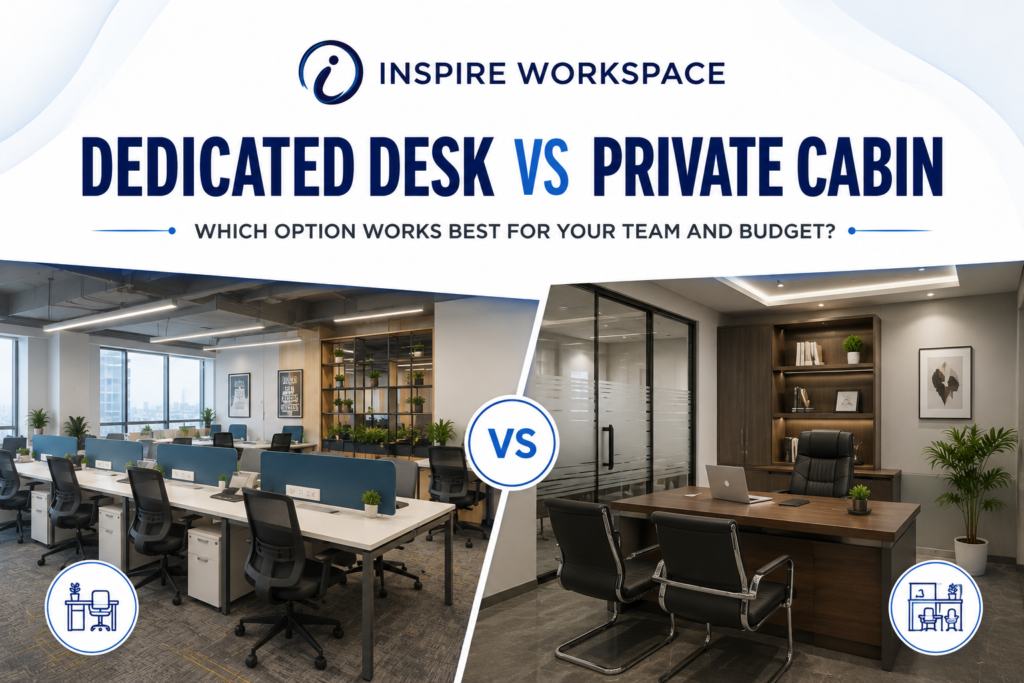
1. Introduction to Coworking 1.1 Definition of Coworking Hot desks offer a versatile work environment where professionals from various fields come together to share a workspace. This approach fosters collaboration, creativity, and community while providing essential resources for enhanced productivity. 1.2 The Rise of Flexible Work Environments In recent years, the nature of work has undergone significant transformation, with more professionals opting for flexible working arrangements. As remote work gained popularity, coworking spaces emerged to cater to individuals and companies seeking a shared, dynamic environment that balances structure and flexibility. 1.3 Overview of Desk Options in Coworking Spaces Within coworking spaces, two primary desk options have gained traction: hot desks and dedicated desks. Each offers its own set of benefits and drawbacks, catering to different work styles and preferences. 2. Understanding Hot Desking 2.1 What is a Hot Desk? A hot desk is a flexible workspace that does not have a designated seat. Users enjoy the flexibility and freedom to choose any open desk on a first-come, first-served basis. This setup promotes interaction among coworkers and adaptability to changing work dynamics. 2.2 Advantages of Hot Desking 2.2.1 Cost-Effectiveness Hot desking often comes at a lower price point than dedicated desks, making it a budget-friendly option for freelancers and startups looking to minimize overhead costs. 2.2.2 Networking Opportunities The fluid nature of hot desking fosters a diverse environment where individuals can connect and collaborate with peers from various industries, enhancing networking opportunities. 2.2.3 Flexibility and Adaptability Hot desking allows professionals to choose their workspace according to their mood or task at hand, encouraging a more dynamic approach to work. 2.3 Disadvantages of Hot Desking 2.3.1 Lack of Personalization With no assigned desk, individuals may find it challenging to personalize their workspace, which can impact comfort and productivity. 2.3.2 Disruption and Noise The movement of people and activities can create a noisy environment, making concentration difficult for some workers. 2.3.3 Uncertainty of Workspace Availability The first-come, first-served nature of hot desking can lead to uncertainty about whether a desk will be available when you arrive, which may cause stress for some users. 3. Exploring Dedicated Desks 3.1 What is a Dedicated Desk? A dedicated desk is a reserved workspace that is assigned to a single user for their exclusive use. This setup provides a personal and consistent work environment. 3.2 Advantages of Dedicated Desks 3.2.1 Personalization and Control Dedicated desks allow individuals to create a workspace that reflects their style and needs, enhancing comfort and ownership of their environment. 3.2.2 Consistency and Stability Having a set workspace promotes routine and stability, which can be beneficial for focused work and long-term projects. 3.2.3 Enhanced Productivity Many find that a familiar workspace minimizes distractions and can enhance overall productivity, making it easier to concentrate on tasks. 3.3 Disadvantages of Dedicated Desks 3.3.1 Higher Cost Dedicated desks generally come at a higher price point, which may not be feasible for all freelancers or startups. 3.3.2 Limited Networking The fixed nature of a dedicated desk may limit opportunities for spontaneous interactions and collaborations with others. 3.3.3 Less Flexibility Dedicated desks can lack the flexibility that hot desking provides, potentially leading to monotony for some users. 4. Comparison of Hot Desks and Dedicated Desks 4.1 Cost Analysis 4.1.1 Startup Costs Hot desks usually entail lower initial costs, making them ideal for startups or freelancers. In contrast, dedicated desks often require a higher upfront payment. 4.1.2 Ongoing Expenses While ongoing costs for hot desking are typically lower, dedicated desk users may experience stable monthly fees that are predictable for budgeting. 4.2 Workspace Experience 4.2.1 Environment and Culture Hot desking fosters a diverse and vibrant environment, while dedicated desks can create a more stable, albeit potentially less dynamic, culture. 4.2.2 Accessibility and Location Both options often offer prime locations, but the workspace experience can vary based on design and available amenities. 4.3 Suitability for Different Types of Workers 4.3.1 Freelancers and Remote Workers Hot desks may appeal to freelancers seeking flexibility, while dedicated desks provide stability for remote workers with consistent tasks. 4.3.2 Small Teams and Startups Small teams may benefit from the collaboration opportunities of hot desking, while startups aiming for a strong identity may prefer dedicated spaces. 4.3.3 Corporations and Enterprises Big businesses might choose dedicated desks for employees needing consistent workspaces but can also implement hot desking to optimize space. 5. Making the Right Choice for You 5.1 Assessing Your Work Style and Needs 5.1.1 Personal Preferences Consider whether you thrive in an informal, ever-changing environment or if you require a stable, personalized workspace. 5.1.2 Types of Work Tasks Evaluate your daily tasks. If they demand high concentration, a dedicated desk might be more suitable. Conversely, if you often collaborate, hot desking could offer the advantage. 5.2 Evaluating Your Budget Analyze your financial situation. Determine what you can afford and whether the cost of dedicated desks aligns with your income or funding prospects. 6. Conclusion 6.1 Recap of Key Points In summary, both hot desks and dedicated desks have their unique advantages and disadvantages. Understanding these can help you make the most informed decision for your working style. Take the time to think about your work environment preferences and how they align with your professional goals. 6.2 The Future of Workspaces As we look ahead, the trend of flexible workspaces is likely to continue evolving, presenting further opportunities for innovation in how we collaborate and create.

Coworking space
Blog, Coworking Space

Green Revolution in Office Spaces: The Role of Sustainable Coworking Spaces in India

Introduction of Coworking Spaces: In the rapidly evolving real estate industry, a silent revolution is brewing, one that is addressing one of the most pressing global challenges of our time – climate change. This transformation is being spearheaded by the exponential growth of coworking spaces. A phenomenon that is revolutionizing the way we work and collaborate. Coworking spaces, with their flexible and cost-effective alternatives to traditional offices. We have created vibrant communities of entrepreneurs, freelancers, and remote workers. However, their impact extends beyond just the workspace. They are playing a pivotal role in India’s ambitious journey towards achieving Net Zero carbon emissions by 2070. This transformation is particularly significant as infrastructure and real estate hold the potential to substantially reduce global carbon emissions through the adoption of sustainable business practices, a demand increasingly vocalized by today’s occupants. The Rise of Sustainable Coworking Spaces: As the world becomes more environmentally conscious, the need for sustainability practices in all industries becomes paramount, including the coworking sector, one of the fastest-growing segments in commercial real estate. In India, the rise of sustainable coworking spaces is having a profound impact on how we work, paving the way for a greener and more eco-friendly future. According to international property consultant JLL, the coworking sector in India is projected to surpass 50 million square feet by the end of 2023, a testament to its rapid adoption. The Green Imperative – Environmental Challenges in India: Sustainable coworking spaces have emerged as a response to the environmental concerns associated with traditional office models. By democratizing premium office spaces, these coworking spaces eliminate the need for separate offices for every organization, as a single space can be shared by multiple organizations, thereby making the hybrid work model commonplace. By sharing amenities and services, occupants at coworking spaces make substantial contributions towards reducing carbon emissions. Promoting resource efficiency in coworking spaces: Sustainable coworking spaces prioritize the efficient use of resources, minimize waste generation, and promote environmentally responsible practices. They emphasize the incorporation of green building design principles, energy-efficient technologies, waste reduction measures, and eco-friendly materials into their infrastructure. One of the central tenets of sustainable coworking spaces is the utilization of renewable energy sources. Solar panels are often deployed to capture solar energy, diminishing reliance on fossil fuels and mitigating carbon emissions. Rainwater harvesting systems are also implemented to collect and store rainwater, conserving water resources and mitigating water scarcity. Eco-friendly Architecture and Design in coworking spaces: The architectural and design features of sustainable coworking spaces play a crucial role in enhancing their environmental sustainability. These spaces utilize green building practices to craft energy-efficient structures that seamlessly integrate with the environment. Passive design techniques, such as strategically placed windows for natural lighting and ventilation, reduce the need for artificial lighting and air conditioning, thus saving energy. Furthermore, sustainable coworking spaces frequently place a strong emphasis on utilizing recycled and environmentally friendly materials in their construction and furnishing. From repurposed wood to low-VOC (volatile organic compounds) paints, these spaces reflect a dedication to minimizing their environmental footprint throughout their entire lifecycle. Leveraging Technology and Awareness: Sustainable coworking spaces incorporate innovative technologies to improve energy efficiency and minimize energy usage. Efforts to minimize electricity consumption are aided by the adoption of smart lighting systems, motion sensors, and energy-efficient appliances. Moreover, the integration of sophisticated waste management systems aims to foster recycling and composting, reducing the amount of waste sent to landfills. Sustainable coworking environments not only focus on their physical infrastructure but also actively promote eco-friendly behaviors among their members. Sustainability and environmental responsibility are prioritized through regular awareness programs and workshops. Members are urged to embrace sustainable practices, including decreasing paper consumption, opting for reusable water bottles and coffee cups, and favoring public transportation or cycling instead of private vehicles. Community and Social Responsibility in coworking spaces: Sustainable coworking spaces foster a strong sense of community and promote social responsibility.  They arrange eco-friendly events, training sessions, and conferences that unite individuals with shared interests to share ideas and collaborate in pursuit of a more environmentally friendly future. These occasions frequently spotlight topics related to the environment, sustainable business approaches, and environmentally conscious advancements. Economic Benefits and Government Support: In addition to the clear environmental benefits, sustainable coworking spaces offer economic advantages for both workspace providers and their members. The implementation of energy-efficient measures results in reduced operational expenses, allowing for more budget-friendly membership fees. This cost-effectiveness expands the accessibility of these spaces to a wider demographic, thereby fostering greater diversity and inclusiveness within the coworking community. While the initial investment in green technologies and materials may be higher, the long-term savings and positive environmental impact outweigh the initial costs. To encourage more coworking spaces to adopt eco-friendly measures, the government has been offering various incentives and support, such as tax benefits, grants, and easier access to green technologies. Conclusion: In conclusion, sustainable coworking spaces in India are presenting a promising solution to environmental challenges while fostering a collaborative and progressive work culture. With the growing momentum in the sustainability movement, the dream of a more environmentally friendly and sustainable India is now achievable through the collaborative endeavors of sustainable coworking spaces and their active member community. These spaces are not just reshaping our work culture but are also at the forefront of combatting climate change, significantly contributing to India’s pursuit of achieving Net Zero emissions by 2070, making this goal more feasible than ever.